Duane 'Keffe D' Davis Found Guilty In Tupac Shakur's Murder After His Own Memoir Reopened The Case
Duane Davis' conviction marks the first criminal verdict in Tupac Shakur's 1996 killing, with prosecutors relying heavily on his own interviews and public accounts of the infamous drive-by shooting.
See more of our coverage in your search results.
Add BollywoodShaadis on GoogleNearly 30 years after Tupac Shakur was gunned down on the streets of Las Vegas, a jury has finally delivered a verdict in one of the most closely watched murder cases in music history. Duane 'Keffe D' Davis, 63, was found guilty of first-degree murder in connection with the 1996 drive-by shooting that killed the legendary rapper. The Nevada verdict marks the first criminal conviction in the case, which remained unsolved for nearly three decades and generated countless theories, documentaries and investigations.
For years, Davis was known as one of the few surviving people connected to the events surrounding Tupac's death. But prosecutors argued that his own words ultimately helped build the case against him.
Davis' own memoir and interviews became central to the case
At the heart of the prosecution's argument were statements Davis made over the years in police interviews, documentaries and his 2019 memoir, Compton Street Legend. For decades, no one was charged in Tupac's killing due to a lack of cooperating witnesses, and even the victims allegedly refused to help in the investigation. The primary physical gunman, Orlando Anderson, could not be charged as he, too, died in a 1998 shooting.
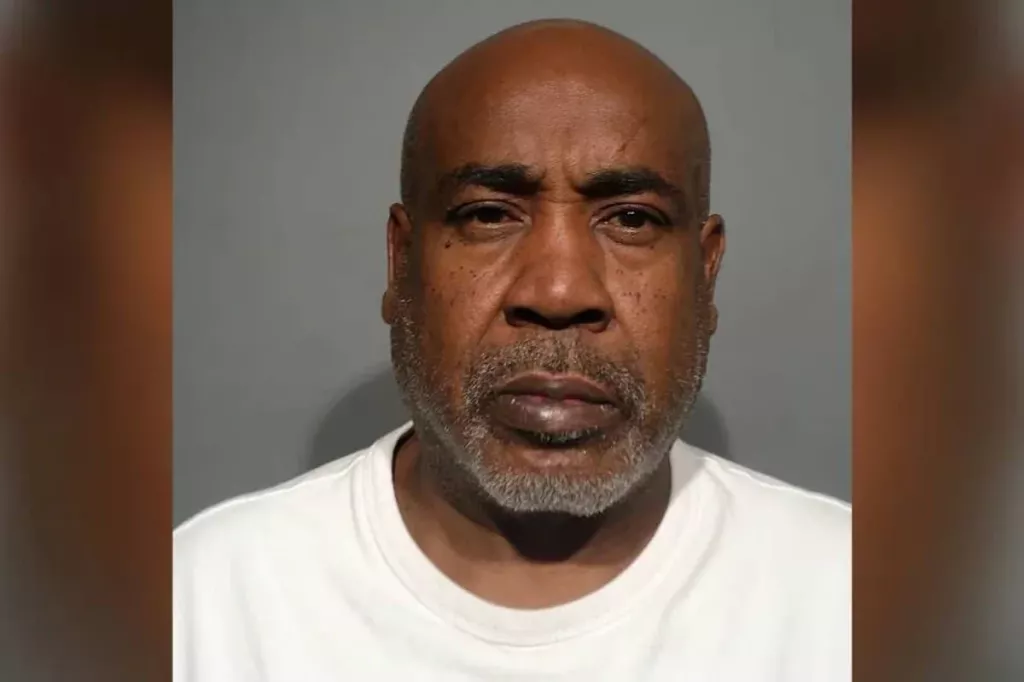
After Anderson's death, investigators were left with little to no definitive forensic proof to link any suspect to the crime scene directly. But in recent years, the investigation received a major boost when Davis began speaking publicly about the shooting. His 2019 memoir and media interviews brought renewed attention to his alleged involvement.
Davis repeatedly placed himself inside the white Cadillac allegedly involved in the September 7, 1996 shooting. He also publicly discussed the events that unfolded after a confrontation earlier that night involving Tupac and Davis’ nephew, Orlando 'Baby Lane' Anderson. Prosecutors portrayed Davis as the person who helped orchestrate the retaliatory attack. While authorities did not allege that Davis personally pulled the trigger, they argued that he obtained the weapon and played a key role in setting the deadly shooting in motion.
His memoir became particularly significant because it renewed public attention around details that had long surrounded the case. Authorities eventually reopened their investigation, leading to a search of Davis' Nevada home in 2023 and his arrest later that year. His defense argued that his previous accounts should not be taken literally, claiming he had exaggerated and fabricated stories over the years for publicity, entertainment, and financial gain. However, the jury rejected that argument.
What happened on the night Tupac was shot?
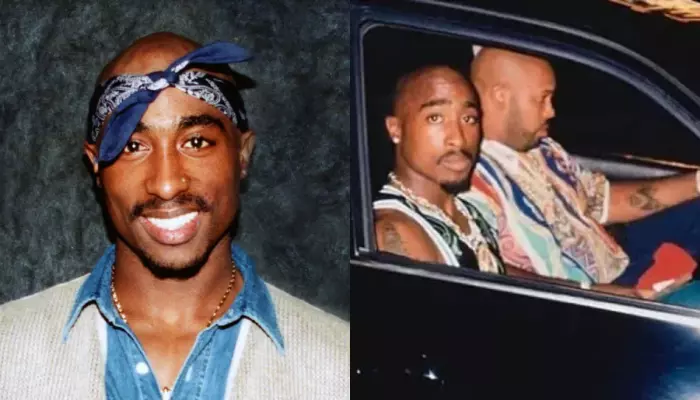
The events leading to Tupac's death began on September 7, 1996, when the rapper attended the Mike Tyson-Bruce Seldon boxing match at the MGM Grand in Las Vegas alongside Death Row Records co-founder Marion 'Suge' Knight. Hours ago, Tupac and his fellow entourage members were reportedly involved in a confrontation with Orlando Anderson, also an associate of the South Side Compton Crips.
That night, Tupac was riding in a black BMW with Knight. As the BMW traveled near the Las Vegas Strip, a white Cadillac pulled alongside it and, within seconds, gunfire erupted. Tupac, who was sitting in the passenger seat, was struck multiple times. Knight was also injured, but he survived the shooting. The rapper was rushed to a hospital where he died six days later, on September 13, 1996. He was just 25 years old.
After the fight, surveillance footage captured Tupac and members of his entourage attacking Anderson in the MGM Grand lobby. Anderson was Davis’ nephew and was reportedly associated with the South Side Compton Crips. The other three men reportedly in the vehicle that night, besides Davis, were his nephew, Orlando 'Baby Lane' Anderson, Deandrae 'Freaky' Smith, and Terry 'Bubble Up' Brown. All three are now deceased and were never charged with the rapper's murder.
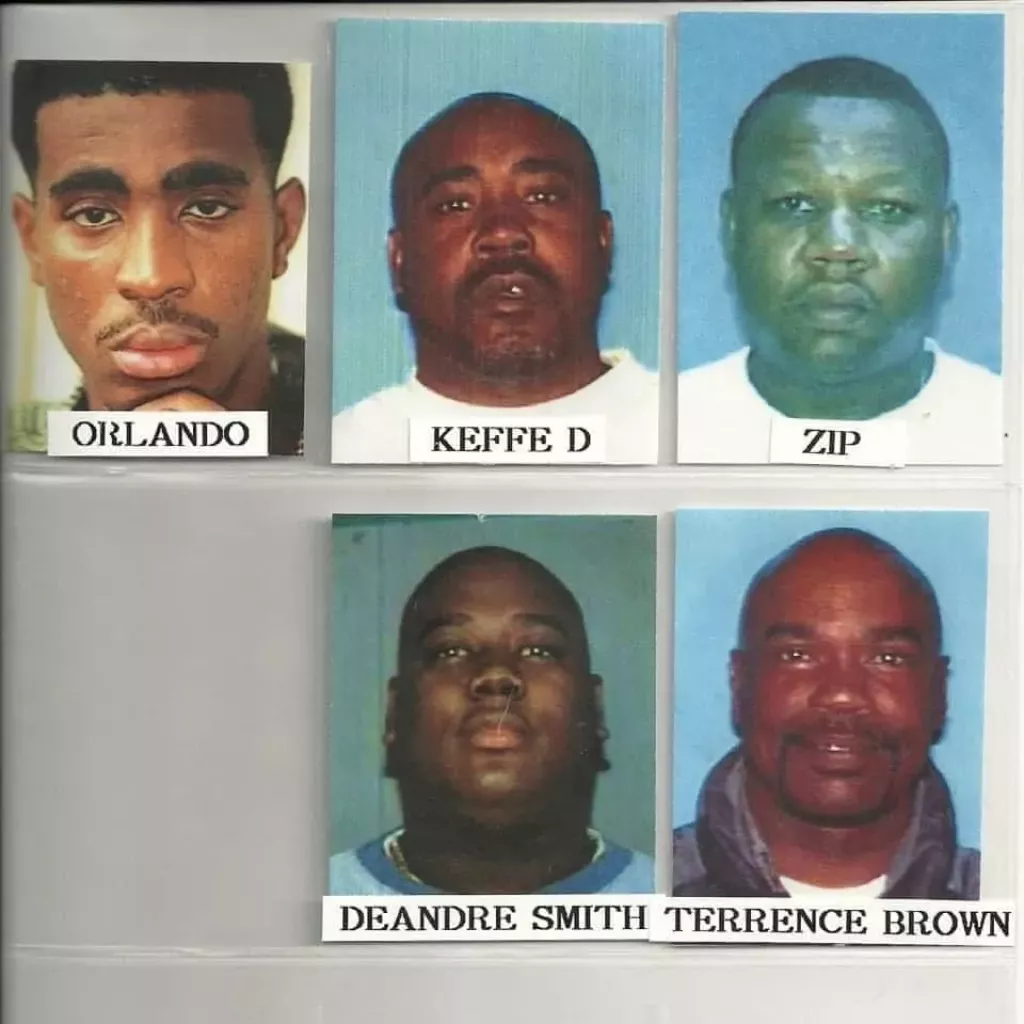
After Anderson's death, investigators were left with little to no definitive forensic proof or witness accounts to link any suspect to the crime scene directly. The investigation received a major boost years later, when Davis began speaking publicly about the shooting.
The verdict brought an emotional moment for Tupac's family, who have spent decades living with unanswered questions about his death. His stepbrother, Mopreme Shakur, has spoken about the long and painful search for justice, recalling the night Tupac was shot and the devastating days that followed as the family waited at the hospital. But even with a guilty verdict, the loss remains impossible to erase. Mopreme said:
“The justice I would like, I'll never get. I want my little brother back.”
Keffe D's conviction marks the first criminal verdict in Tupac Shakur's 1996 killing.
Image courtesy: 2pac/Instagram, social media photos
Read Next: Justin And Hailey Bieber Had A Heated Argument At Billie's Brother's Wedding? Here's What Happened