- Home
- / Trending News
- / OTT
'Satluj' Ending Explained, Dark Truth Behind 25,000 Alleged Deaths And Jaswant Khalra's Tragic Fate
'Satluj' has finally been released, and audiences have been rushing to watch the film. Based on a true story, fans are intrigued to know if it does justice to the history. So, let's find out.
See more of our coverage in your search results.
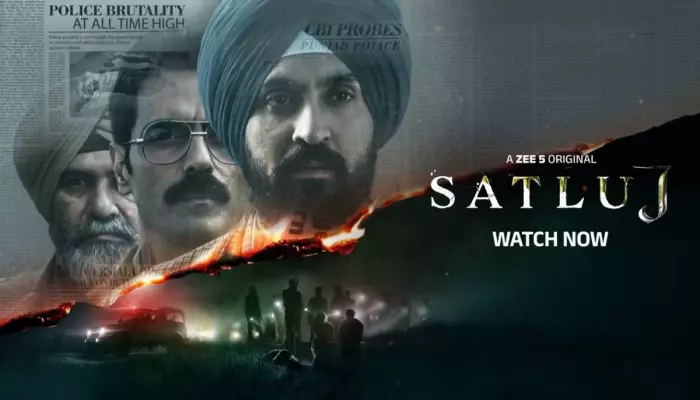
Add BollywoodShaadis on GoogleSatluj has been making headlines since its release on July 3, 2026. The film starring Diljit Dosanjh follows the real-life 1995 abduction of Jaswant Singh Khalra by the Punjab Police. Labelled a chilling finisher, the film reflects on the grim reality of what happened to Khalra. So, you're someone who is looking to watch the film this weekend; here's what you need to know. Warning: Spoilers ahead!
Diljit Dosanjh's Satluj ending explained
Directed by Honey Trehan, the film does not build up mystery around Satluj and shows the lethal state of affairs from the very beginning. The tension comes from watching a man willingly walk into the gears. However, to grasp the film's core, we first need to understand the beginning and work our way to the end.
From the very start, Jaswant Singh Khalra is introduced to the audience as an ordinary citizen who works as a bank manager. He is not a militant or a politician or a secret hero, just a normal man. However, this framing becomes critical as, in the future, the Punjab Police will justify their extreme measures in the guise of fighting armed insurgencies, when in reality Khalra fought the battle with nothing but paper.
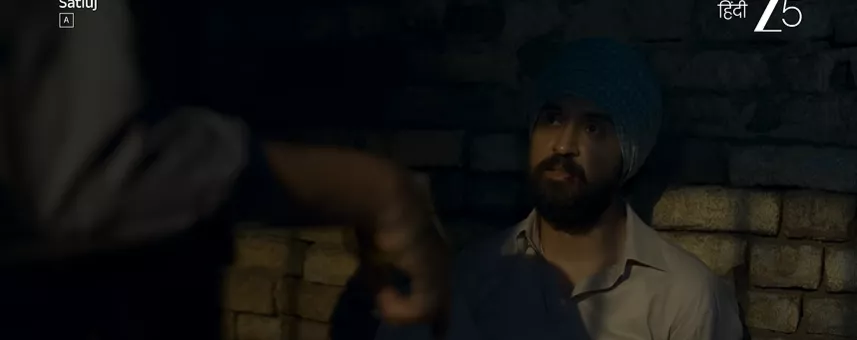
He begins connecting missing individuals to morgue records and unclaimed cremations. The first act of the film is a procedural thriller. Khalra tracks municipal firewood purchases. He cross-references the wood required to burn a human body with the police logs of unidentified militants killed in encounters. However, things take a turn when the math does not add up, and the wood purchased outnumbers the official death toll.
By halftime, Khalra has weaponised bureaucracy against the state, and he documents over 25,000 missing people whose families never received closure. He visits the families, makes the list of names, leading the state to realise he is far more dangerous than an armed militant. The film shifts tone after this, and the escalation begins with the system that controls violence also trying to control the narrative. They want the records destroyed. Khalra refuses to stop and insists on taking the data to national and international human rights organisations.
Khalra's refusal to listen leads to the inevitable finale, where the tension shifts from Khalra uncovering disappearances to becoming a target himself. In September 1995, the Punjab Police abduct Jaswant Singh Khalra. The film does not dress this moment up with dramatic shootouts but with swift, clinical and terrifying normalcy. The man who dedicated his life to finding the disappeared joins the list, and his death is the final piece of evidence proving his thesis. The state will kill to protect its secrets.
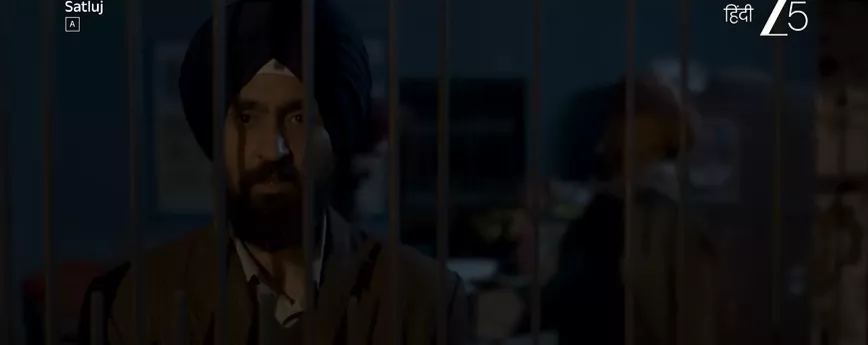
However, what leaves the audience in chills is not some triumphant courtroom speech, but a historical facts that feel like a bitter closure. A decade after the abduction, four Punjab Police officers are convicted of the murder and sentenced to life imprisonment. The film positions this legal victory as a severely delayed and partial form of justice. Four men go to prison, but the system that allowed 25,000 people to vanish largely remains intact. While it is a bittersweet ending, it leaves the audience sitting with the discomfort of an unresolved national trauma.
Diljit Dosanjh's Satluj almost didn't make it to the screens
Satluj was originally named Punjab '95 and almost didn't make it to the screens. The CBFC had the film on hold, demanding over a hundred cuts, including the removal of references to the Punjab Police and the change of the protagonist's name, even pulling the film from the Toronto International Film Festival. The Diljit Dosanjh starrer was eventually released uncut under the new title Satluj. In the context of the ending, the title functions as a heavy metaphor.
What are your thoughts on Satluj's ending? Let us know.
Next Read: The Truth Behind Bobby Deol's 'Baba' In Alpha, His Secret Changes Everything For Alia Bhatt's 'Sita'