- Home
- / International
- / OTT
'Monster: The Lizzie Borden Story', What's Real And What's Fictional In Netflix's True Crime Series?
'Monster: The Lizzie Borden Story' has made headlines since its release, but how accurate is the adaptation? Let's find out.

See more of our coverage in your search results.
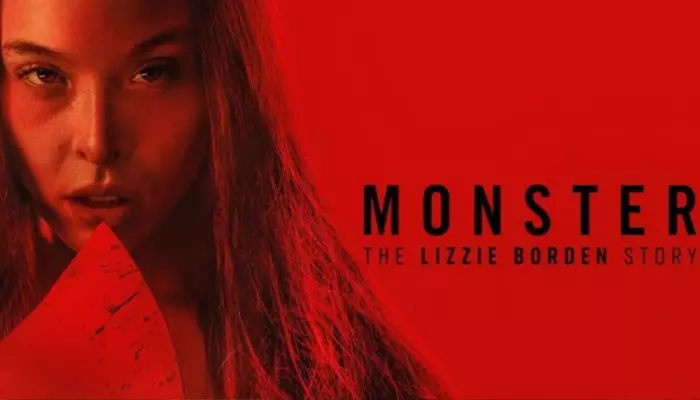
Add BollywoodShaadis on GoogleWhen Lizzie Borden's father and stepmother were brutally murdered, she became the prime suspect. However, she was later acquitted. Over the years, many shows have been inspired by the crime, and Netflix has now explored the murder in Monster: The Lizzie Borden Story, the fourth installment of Ryan Murphy's Monster anthology.
While the Netflix series is making headlines, it also takes creative liberties by completely altering some parts. One such scene was Lizzie's older sister Emma's trial testimony and Bridget's alleged involvement. So, as Monster: The Lizzie Borden Story takes over the internet, let's look at what was real and what the series fictionalized.
Did Lizzie's father really mutilate bodies?
In Monster: The Lizzie Borden Story, Andrew is shown as a woodworker who makes furniture and coffins and chops off the legs of deceased people to make them fit in the coffin. While in reality, too, he owned a furniture and coffin store, there are no records that prove he mutilated the bodies. An 1859 advertisement in the Fall River Daily Evening News, excerpted by the 2019 book The Trial of Lizzie Borden, read:
"Keep constantly on hand, burial cases and coffins, ready-made of all kinds now in use in this section of the country, at lower prices than can be bought elsewhere in this city."
Andrew and William retired from their business by 1878, according to Lizzie Borden Virtual Museum and Library. Andrew continued to grow his fortune through investing in banks, textile mills, commercial property, and real estate, per The Providence Journal. His net worth at the time was estimated to be over USD 300,000.
Andrew and Abby's marriage: Why didn't Lizzie's stepmother like her?
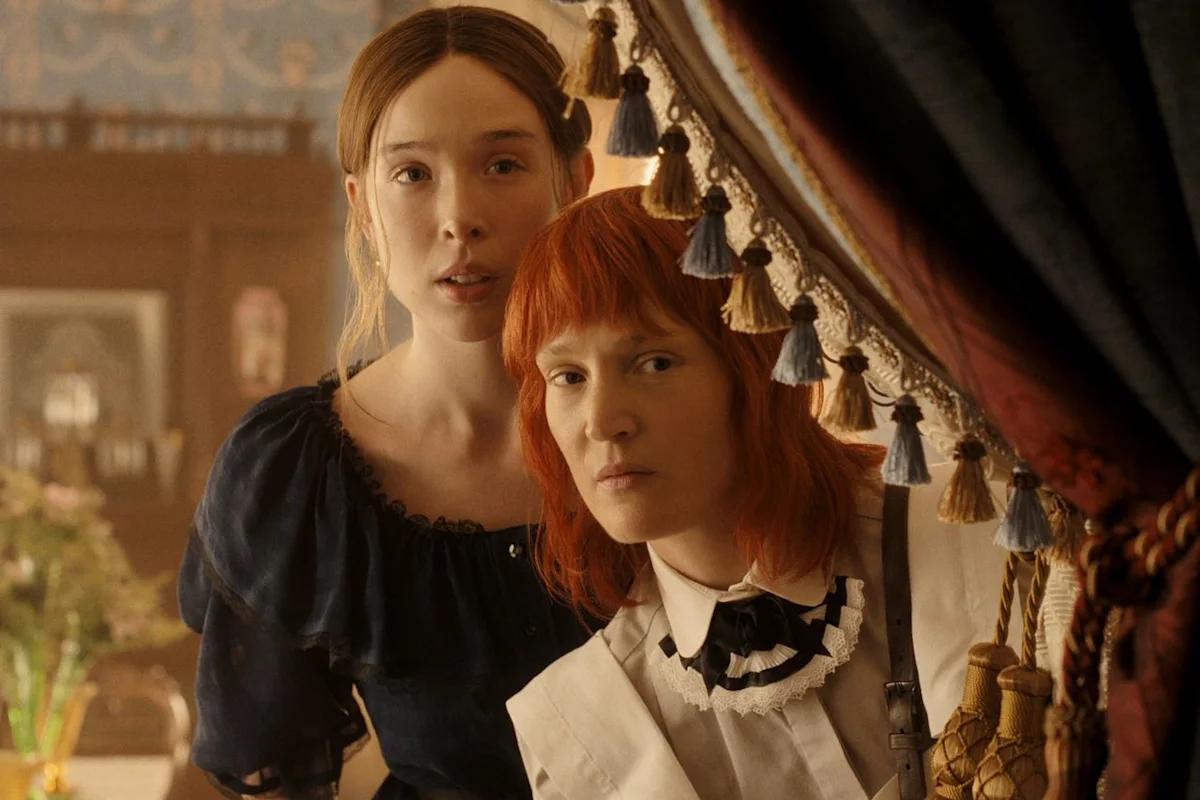
The Netflix series shows that Andrew and Abby got married a few weeks after his first wife, Sara, died. However, according to The Herald News, she died on March 26, 1863, from uterine congestion and spinal disease at the age of 39. And Andrew married Abby two years later, in 1865. Additionally, the series alleged that Abby's brother died in the Civil War, whereas her mother committed suicide.
Nonetheless, there is no evidence of the same. Regarding Lizzie and Abby's relationship, the series shows Lizzie experiencing an extremely painful period, which upsets Abby and leads Lizzie to grow close to their maid, Bridget. Monster alleges that Lizzie was later diagnosed with an imperforate hymen, which in reality has no record.
However, a CBS News report does say that after the murders, blood-covered rags were found in the basement, which Lizzie alleged were from her menstrual use. At the time, the rags were never actually examined, after the timing of her period was confirmed by the family doctor.
Were Andrew and Abby poisoned before they were murdered?
In the show, Andrew and Abby were served bad oysters, which made them throw up all over the dining room. While it didn't kill them, it left them incapacitated. In reality, once again, there's no proof. However, Bridget, Abby, Andrew, and Andrew's brother-in-law John Morse did fall sick a couple of days before the murder. Doctors and investigators later revealed it was from swordfish and mutton broth that was left out in the August heat.
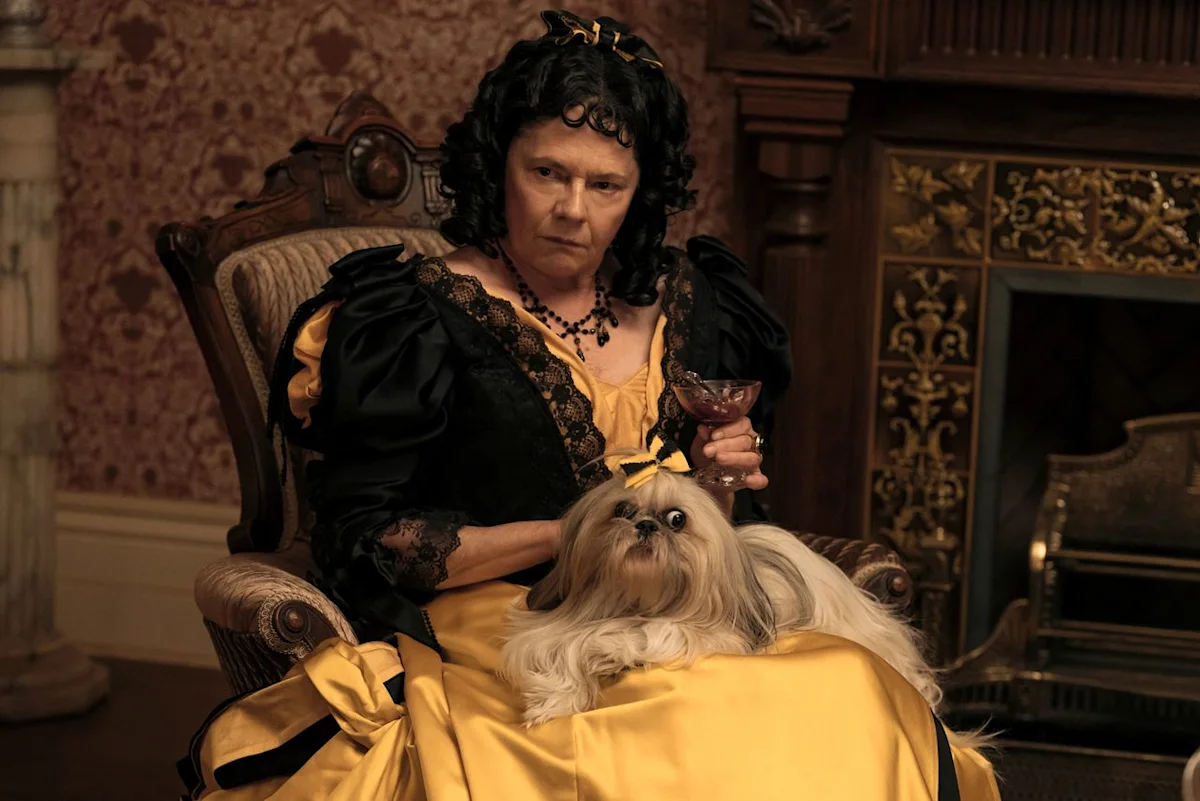
A pharmacist also alleged that Lizzie tried to buy prussic acid to put an edge on a seal-skin cape, per CBS News. However, he claimed he didn't sell it to her because he hadn't heard of that usage before. Another difference was that Sarah's brother was briefly suspected of the murders, but he had an alibi, as shown in the series. Whereas in reality, he had left the house on the morning of August 4, 1892, and was out till 11:20 AM. Lizzie allegedly discovered her father's body shortly after 11 AM, per Biography.
Did Lizzie and Bridget plot the murders?
The series showed Bridget and Lizzie strike up a romantic relationship and how the former plants the idea of the murder in Lizzie's head. However, in reality, there's no evidence of either. When Bridget was questioned, she gave a clear account of where she was. Monster also shows how the duo does a trial run on Bertha Manchester before killing Andrew and Abby.
While Bertha's death is real, she was killed 10 months after the Borden slayings. She suffered more than 20 ax blows to her head. According to The Other Fall River Tragedy: The Murder of Bertha Manchester, Jose Correa de Mello, who worked for her father, was charged and sentenced for the murder. He was sentenced to life in prison, but he was released on January 31, 1914, and deported back to Portugal after serving 21 years.
Lizzie's trial and her relationship with her sister, Emma
In Monster, Lizzie allegedly met actress Nance O'Neil through her love of theater, and she taught her how to act ahead of her murder trial. They also developed a close relationship. However, in the real world, they met years later. Their friendship caused a rift between Emma and Lizzie, but there is no record of a relationship.
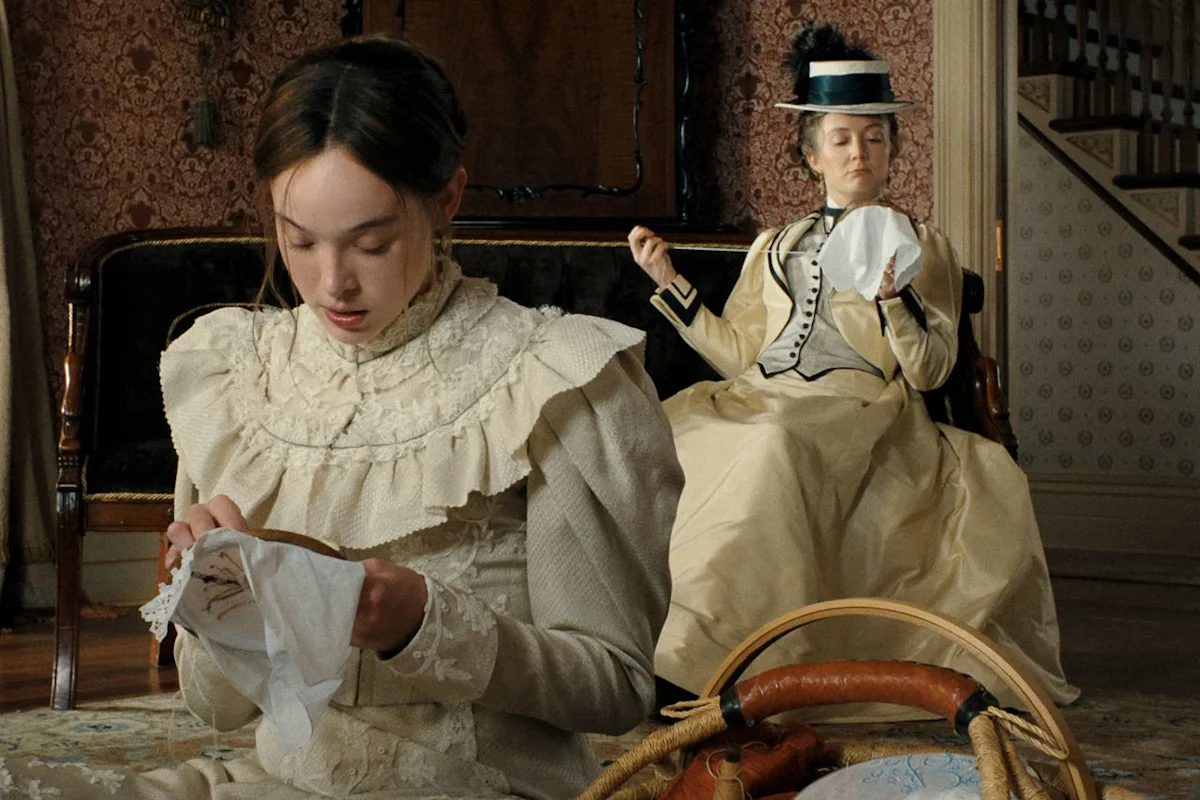
Lizzie's trial was almost the same in the trial as in real life. From her interviews with police to her initial contradictory account, which was later deemed inadmissible because she was not allowed counsel and was not fully informed. Even the discussion of the burned dress was portrayed as it was in real life. During the court proceedings, the skulls of Andrew and Abby were brought in, as they were in the series, to show the violence of the ax wounds.
However, the show does leave out Bridget's testimony. In real life and in the show, the all-male jury quickly decides that Lizzie was not guilty and pretends to deliberate for longer than necessary, per the Historic Lizzie Borden House. Emma stood by Lizzie through the trial and acquittal, and the series shows they had a falling out. She moved out in 1905, and the pair never saw each other again.
Was Aileen Wuornos inspired by Lizzie's story?
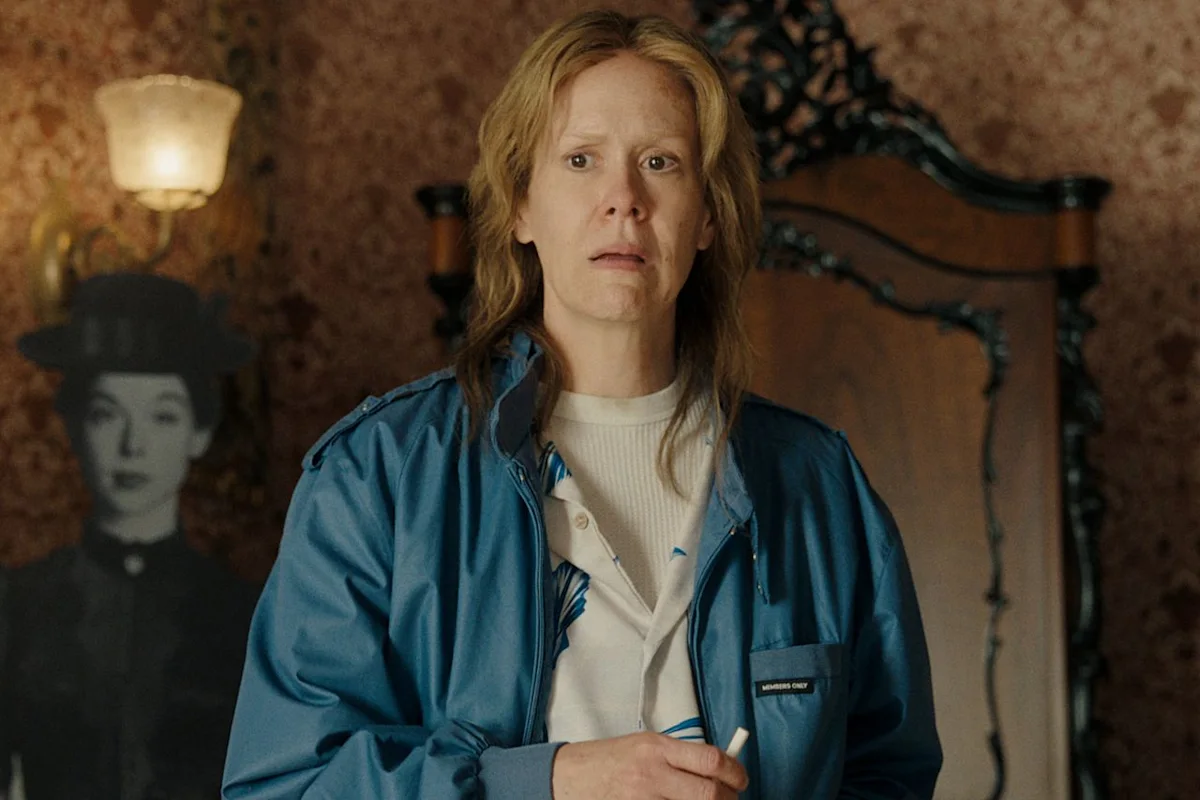
Monster's final scenes connect Lizzie's story to Aileen Wuornos. The series portrays her as obsessed with and inspired by Lizzie's story, but there's no evidence this was the case in real life. Murphy and co-creator Ian Brennan incorporated Aileen into the series to further explore an overarching theme of female rage. In a conversation with THR, Ian says:
"We were able to look at rage, female rage, and women who kill as less of an aberration throughout time than actually a throughline and an aspect of our species and existence in society. The cages that we put women in and the things they will do to get out of those cages were really interesting."
What are your thoughts on the difference between Monster and the real case?
PC: Netflix
Next Read: 'Monster: The Lizzie Borden Story' Ending Explained, Do 'Lizzie' And 'Bridget' End Up Together?