Meet Rupan Deol Bajaj, The IPS Officer Who Took On 'Super Cop' KPS Gill After Alleged Sexual Assault
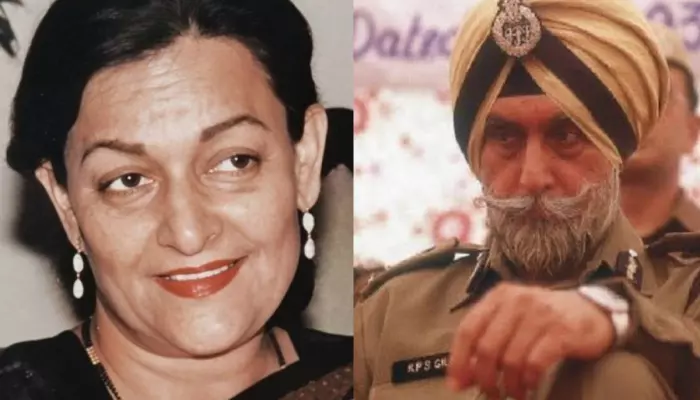
The release of Satluj has renewed attention on India's first reported sexual assault case involving Punjab's controversial 'Super Cop', KPS Gill, brought by IAS officer Rupan Deol Bajaj.

See more of our coverage in your search results.
Add BollywoodShaadis on GoogleLong before the #MeToo movement sparked renewed conversation around the abuse of power in professional settings, there was a woman who refused to let rank and authority stand in the way of justice. Rupan Deol Bajaj, a senior IAS officer, dared to challenge a man many believed was untouchable: India's "Super Cop," KPS Gill.
The release of Satluj has revived interest in Gill's life, whose involvement during one of the darkest chapters of Punjab's history made him a highly polarising figure. His "Super Cop" image was further tainted by the first-ever legal battle in India involving workplace sexual harassment.
Who is Rupan Deol Bajaj, and what happened between her and KPS Gill?
Rupan Deol Bajaj is a retired Indian Administrative Service (IAS) officer who served in several senior positions in the Punjab government. In 1988, she was serving as Special Secretary (Finance) and was among the highest-ranking women bureaucrats in the state. During her tenure, she had around 20,000 people working under her, out of whom "90% were men."
Despite holding such a powerful position, Bajaj later said that status offered no protection when she was allegedly sexually assaulted by then Director General of Police, KPS Gill, during an official dinner party. Speaking about the need for women to voice injustice, Bajaj told BBC News in 2017:
"She may be educated or uneducated. She may be working class, she may be an officer, she may be a high-ranking officer like me. All women—nobody's immune. And it happens every day."
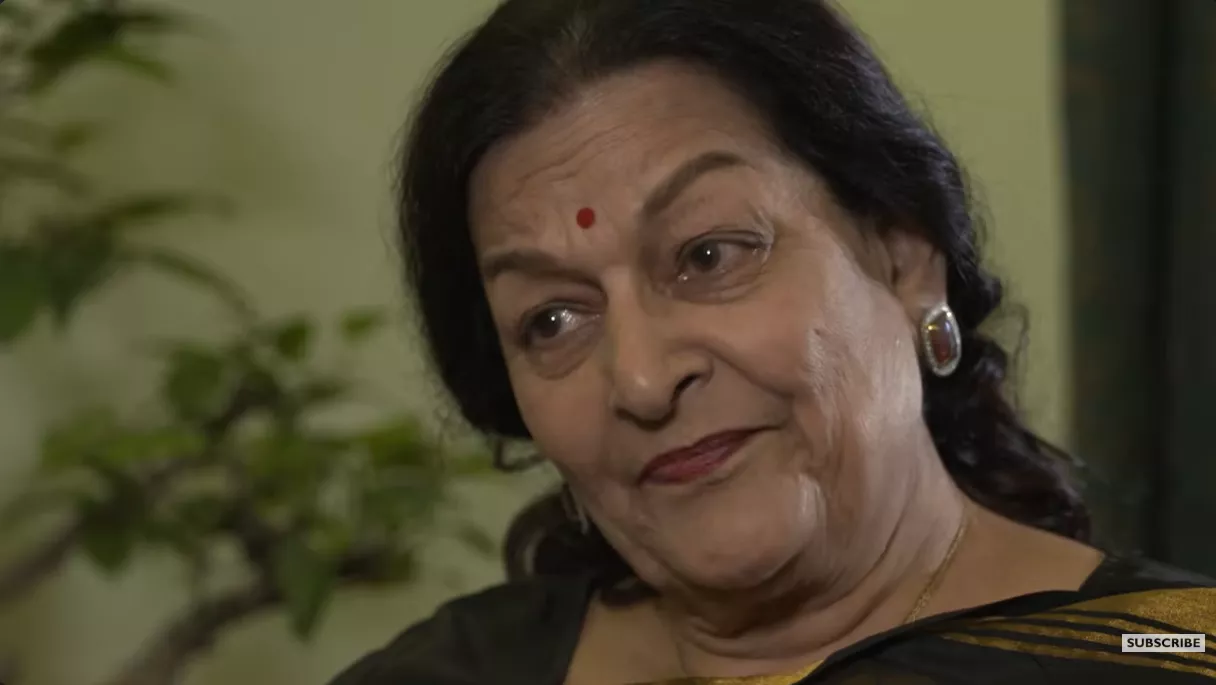
So, what exactly happened between Rupan Deol Bajaj and KPS Gill? Based on her own accounts, the incident took place at a dinner hosted by Punjab's Home Secretary in July 1988. She alleged that Gill repeatedly asked her to accompany him despite her objections. The retired officer recalled:
"He called out to me and said, 'Mrs. Bajaj, I want to talk to you about something.' He got up and came and stood in front of me, towering above me. He put his finger in my face like this and said, 'Come on. Come along with me.' "
Bajaj immediately confronted Gill, realising he was behaving inappropriately. As she attempted to walk away, she alleged that he slapped her on the buttocks in front of other guests. "I said, 'Mr. Gill, go away from here. You're misbehaving,'" she recalled, adding, "as I was leaving, that was the moment he slapped me on the bottom."
While many dismissed the act as insignificant, she simply could not shake off the humiliation. "Letting it go meant living with lowered self-esteem, gulping down my humiliation, facing that person every day, and facing all the other people," she later recalled. "I fought against the mindset of society, not KPS Gill."
Inside Rupan Deol Bajaj and KPS Gill's legal battle
Bajaj's quest for justice followed a 17-year legal battle that not only led to Gill's conviction but also helped redefine how Indian courts interpreted crimes against women's dignity. When she sought justice, the journey was anything but easy. She recalled:
"Nobody was willing to take up the case for me because they were so frightened of the DGP. He was the highest-ranking police officer, with all the powers of life and death. No one wanted to do anything against him."
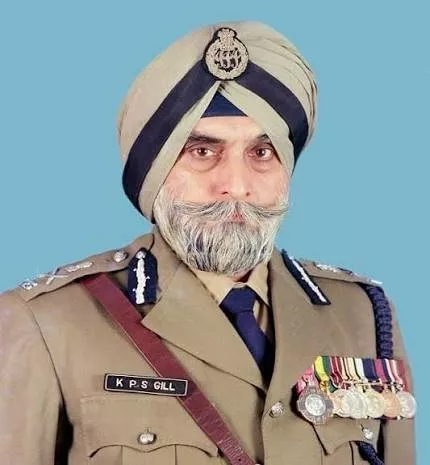
After senior officials allegedly ignored her complaint, Bajaj filed criminal charges under Sections 354 and 509 of the Indian Penal Code, provisions that had rarely been invoked in such circumstances. The case faced repeated setbacks. The lower courts threw out the case, stating it was too trivial to prosecute. But Bajaj did not give up.
When the Supreme Court later revived the case, it mentioned that Bajaj's allegations could amount to outraging the modesty of a woman. In doing so, the court also clarified the legal interpretation of "modesty" and laid down an important judicial precedent.
After nearly 17 years of litigation, KPS Gill was finally convicted in 2005. He was sentenced to three months' imprisonment and fined Rs. 2 lakh, though the jail sentence was later converted to probation. However, Bajaj declined to accept compensation, saying no amount of money could erase the trauma or restore her dignity.
Interest in Bajaj's story has surged following the release of Satluj, which revisits the social and institutional challenges surrounding her landmark legal fight. Her case remains a defining moment in India's legal history, not simply because she challenged one of the country's most powerful police officers, but because she persisted despite years of public scrutiny, institutional resistance and legal setbacks.
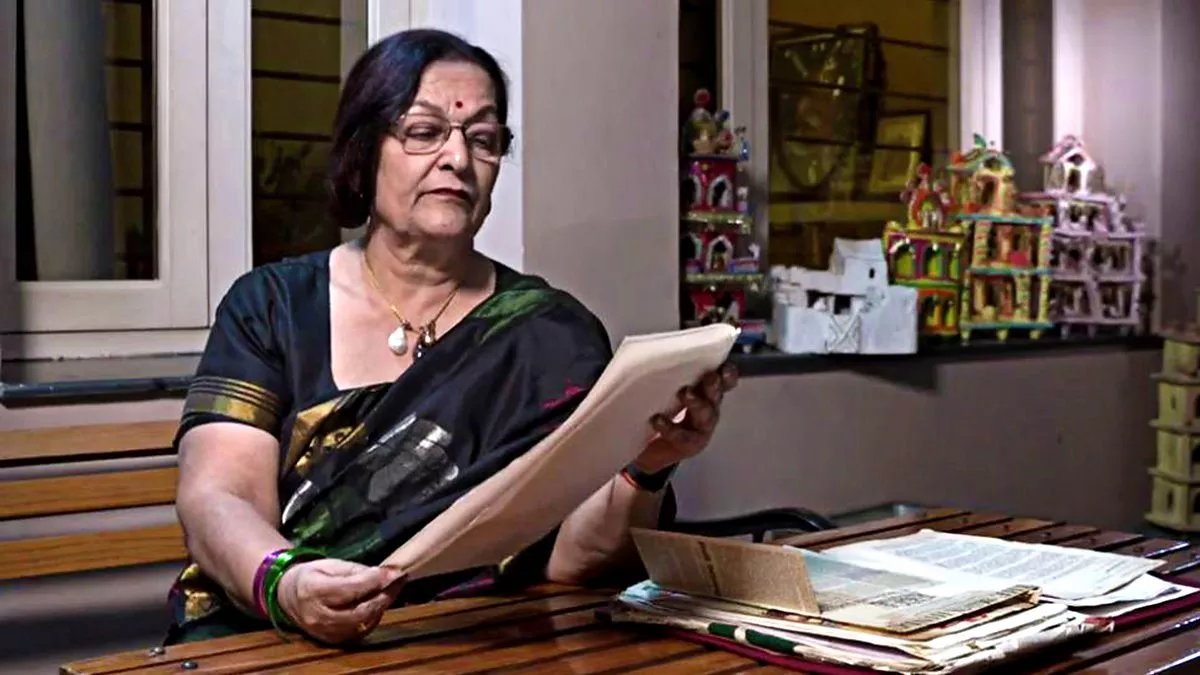
Reflecting on the case years later, Bajaj said the battle was never just about one man. "It's the mindset I fought against," she said. "People say crimes against women are increasing. They're not increasing; now more women are speaking up."
Image credit: BBC News/YouTube, X photos
Read Next: Who Is Linda Noskova's Boyfriend? Know Everything About The Czech Tennis Player's Dating Life