Lindsay Clancy Cried 'How Could A Mother Hurt Her Children?' After Andrea Yates Killed Her Kids
As Lindsay Clancy's trial continues, a former coworker recalled her emotional reaction years earlier to Andrea Yates, who got the 'monster mom' tag for killing her five kids.


See more of our coverage in your search results.
Add BollywoodShaadis on GoogleNearly 25 years have passed since the world witnessed the harrowing crimes of a 37-year-old mother, Andrea Yates, who was labeled the "monster mom" for the cold-blooded murder of her five children. Now, Lindsay Clancy's disturbing murder trial has put the reality of women's postpartum mental health under the microscope.
Clancy faces murder charges in connection with the deaths of her children: 5-year-old Cora, 3-year-old Dawson, and 8-month-old Callan. Her defense lawyer, Kevin Reddington, acknowledges the killings but insists she should not be held criminally responsible due to her disturbed mental health and alleged postpartum psychosis.
Lindsay Clancy reportedly cried while discussing Andrea Yates' case
According to testimony from Margaret Hamp, who previously worked with Clancy as a labor and delivery nurse, the conversation about Andrea Yates happened years before the Massachusetts tragedy.
When she was just a labor nurse and didn’t know her own horrible fate, Hamp allegedly brought up the case of Yates while discussing a pregnant patient who had expressed suicidal thoughts. She recalled explaining the circumstances surrounding Yates to Clancy, who then became emotional. Hamp testified:
"I explained [Yates] to [Clancy], and [Clancy] cried and said, ‘How could a mother hurt her children?'"
Andrea Yates' case horrified the nation in June 2001 when she drowned her five children in their home bathtub. Her case became one of the most widely discussed examples of postpartum psychosis and criminal responsibility.

Andrea was a gifted student and compassionate nurse before she married Rusty Yates in 1993 and became a stay-at-home mother. The couple welcomed five children: Noah, John, Paul, Luke and Mary, between 1994 and 2000. After Luke's birth in 1999, Andrea developed severe postpartum depression, which worsened after she stopped taking medication.
Following Mary's birth, her mental health deteriorated further, and she reportedly experienced delusions and hallucinations, believing she was failing God as a mother. The family's conservative religious beliefs and preacher Michael Woroniecki's apocalyptic teachings were also widely discussed in relation to her declining mental health.
On June 20, 2001, Andrea Yates drowned her five children, Noah, John, Paul, Luke and Mary, in the bathtub at the Yates family home in Clear Lake, Texas. Noah, the oldest, was 7, while baby Mary was just 6 months old. Afterward, Andrea made a disturbing 911 call requesting that police and an ambulance be sent to her home. She then called her husband, who grew immediately concerned after sensing the unsettling calmness in her voice.
Officer David Knapp was among the first responders sent to the house for what was initially described as a welfare check. Andrea, wet-haired and visibly distressed, met him at the door and reportedly told him, “I just killed my kids.”
Officials discovered one child in the bathtub, while the others had been placed beneath a sheet in the master bedroom. Similar to Clancy's case, investigators determined that the deaths occurred during the short period between Rusty leaving for work and Andrea’s mother-in-law arriving to help with the children.
Yates' case soon shocked the nation, sparking an intense and lasting conversation about severe mental illness, postpartum psychosis, motherhood and criminal responsibility. She was initially convicted of capital murder and sentenced to life in prison, but that conviction was later overturned. During a retrial, she was found not guilty by reason of insanity and committed to a state psychiatric hospital.
Why Andrea Yates' case is now being compared to Lindsay Clancy's trial
More than two decades later, Clancy's case has reignited many of those same debates. Lindsay's defense team has argued that she was suffering from postpartum psychosis and that her mental health had deteriorated amid extensive medical treatment and prescription medication. However, the prosecution argues that she was aware of her actions and should be held criminally responsible for what happened.
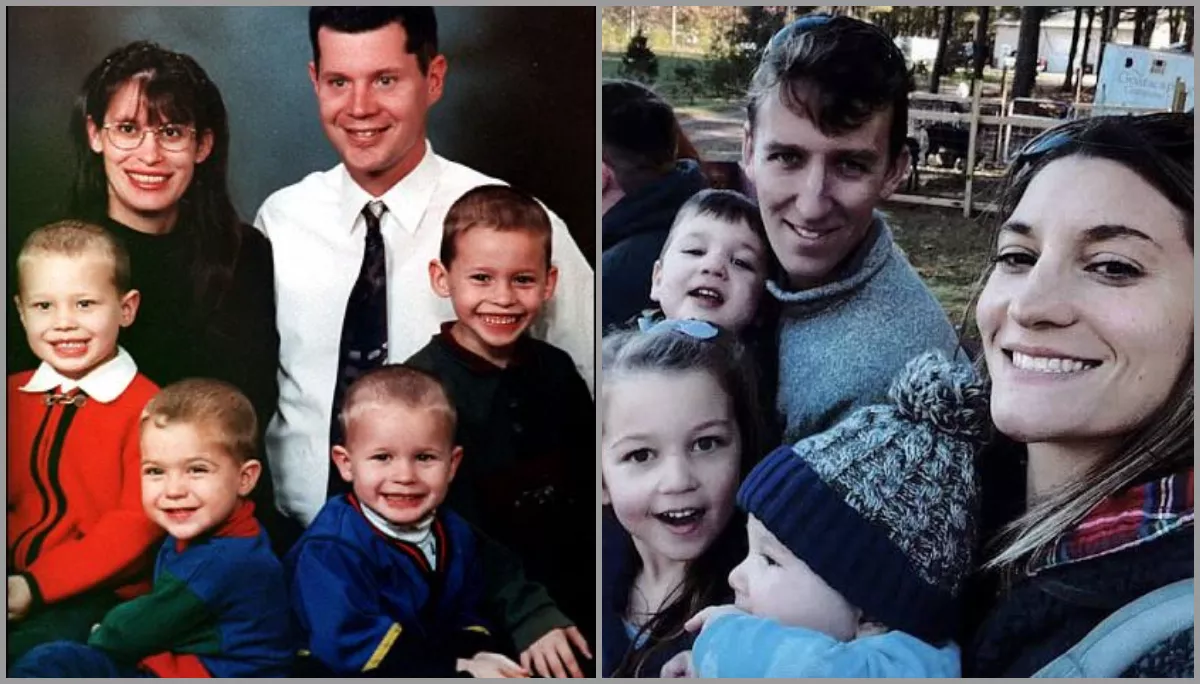
When Yates went on trial in the early 2000s, public outrage was intense, and many people focused primarily on the horrific nature of her actions. Today, Clancy's case has generated a much larger public discussion about maternal mental health, postpartum psychiatric conditions, and whether the healthcare system provides enough support to struggling mothers. While the case has still sparked widespread controversy, this time, there has been a visible wave of empathy from women who say they recognize aspects of their own postpartum struggles.
The connection between Clancy's trial and Andrea Yates' case remains impossible to ignore. Yates' ex-husband, Rusty Yates, recently commented on Clancy's case, telling NewsNation’s Chris Cuomo that he sees "no evidence" supporting theories that Lindsay's husband Patrick Clancy knew about or was somehow involved in the deaths.
What's your take on the Lindsay Clancy versus Andrea Yates trials? Do you think they should be treated similarly?
Image courtesy: ABC 7 Chicago/YouTube, X photos
Read Next: Meet Goldie Hawn's Grandchildren With Kurt Russell, Romantically Linked For 40 Years But Not Married