After Artemis 2 Success, NASA's Next Mission Is 'Ignition' As They Plan On Establishing Moon Station
After the success of Artemis 2, NASA is on their toes to establish a Moon station. They are working hard to set up the lunar base before anyone else by the end of Donald Trump's tenure.

See more of our coverage in your search results.
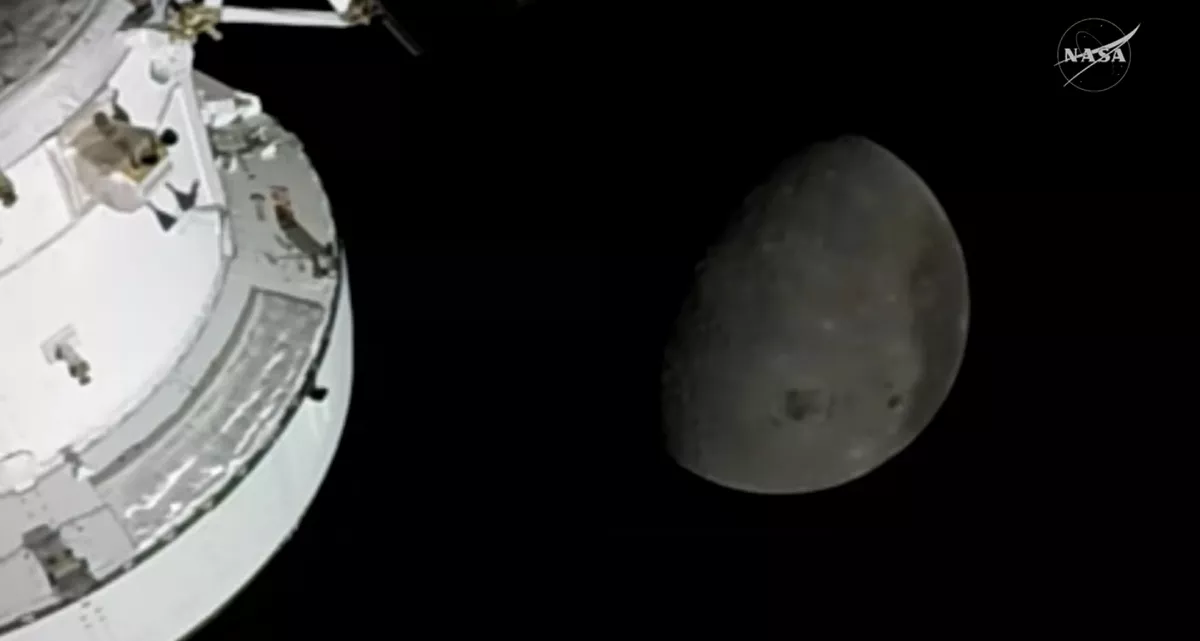
Add BollywoodShaadis on GoogleNASA is busy trying to establish its lunar base, and Artemis II's success has given it a head start. The Artemis program is NASA's first crewed mission, with the crew scheduled to orbit the Moon and return to Earth in 11 days. The mission was to establish a human presence on the moon, and soon, people are wondering what will be the next project for NASA.
What is NASA's next project after Artemis II?
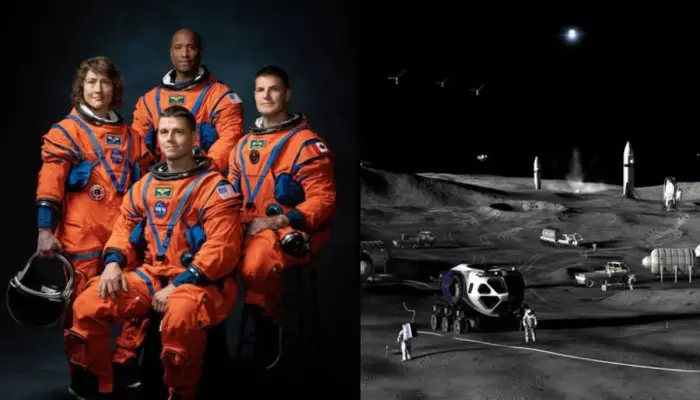
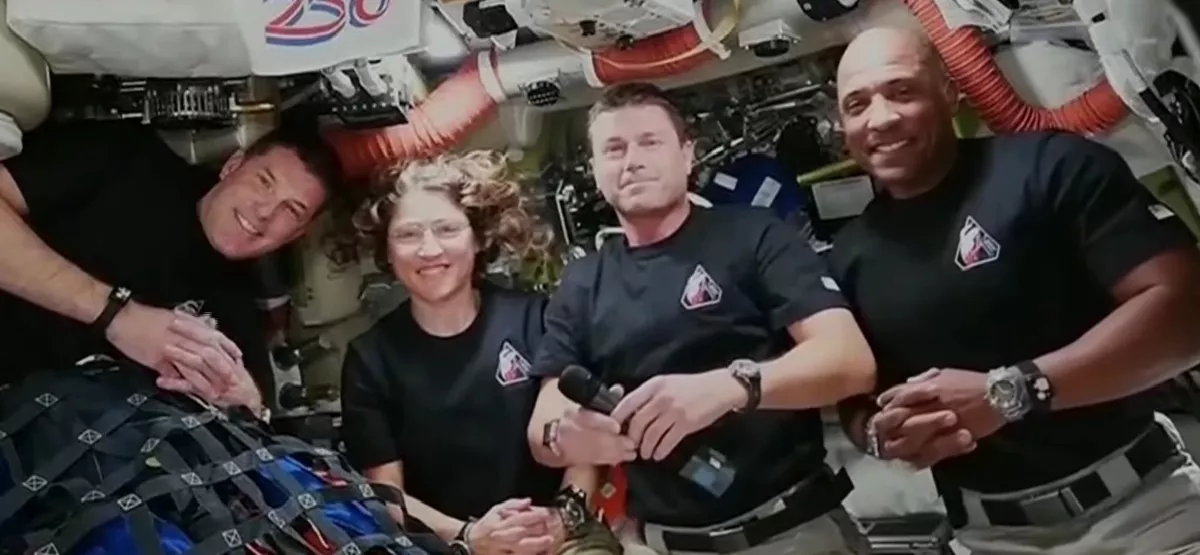
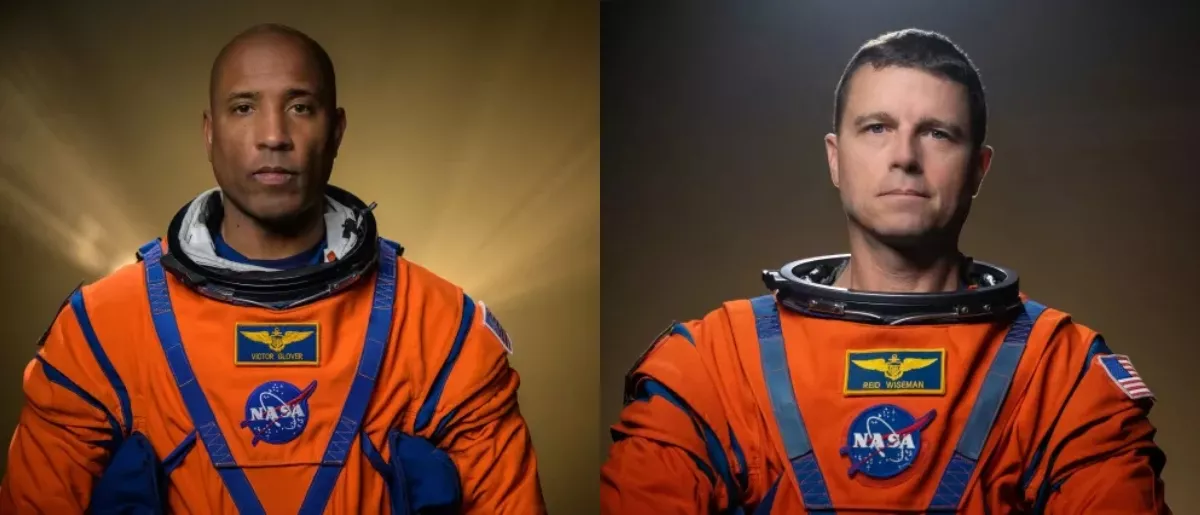
NASA's Artemis II carried four astronauts: Reid Wiseman, the commander of the spaceship. Victor Glover, Jeremy Hansen, and Christina Koch, who set the record as the first women to travel the farthest from Earth. NASA's mission is simple: to pave the way for future missions and make human landing on the Moon easy under Artemis III. With international collaboration and cutting-edge technology. NASA aims to establish a human presence and be the first to do so, laying the groundwork for further missions to Mars.
After the success of Artemis 2, NASA plans on launching the new strategy called Ignition. It is aimed to kickstart human exploration of the Moon and is now laying the groundwork for future missions to Mars. Ignitition, a mission which is announced in March 2026, is a major shift in how they plan to operate in deep space, and focuses on speed and sustainability with collaboration with private industry.
Ignition is a mission to create long-term orbital infrastructure towards building a permanent human base on the lunar surface. NASA wants to pause the plan for the Gateway space station in lunar orbit and build a Moon base near the south pole. It is their utmost priority mission over the orbit-based missions.
NASA wants to launch crewed flights every six months, supported with reusable and commercially developed systems. This approach will improve efficiency, reduce costs, and ensure continuous human activity on the surface of the Moon. NASA has issued calls for new ideas from the industry, so that they can test them on the Moon within the next two to four years. It included radiant-resistant electronics, propulsion systems and improved manufacturing techniques.
They are also planning to expand programs such as Commercial Lunar Payload Services to deliver cargo, tools and experiments to the lunar surface. They are planning to launch robotic missions to support construction and scientific research at the future base. The project also emphasises mobility on the Moon, with crewed and uncrewed lunar vehicles capable of travelling hundreds of kilometres. It will help in the daily operations on the lunar surface. This mission is launched to bring humanity one step closer to the Moon, and the dream of living on the Moon one day.

Meet the astronauts of Artemis II
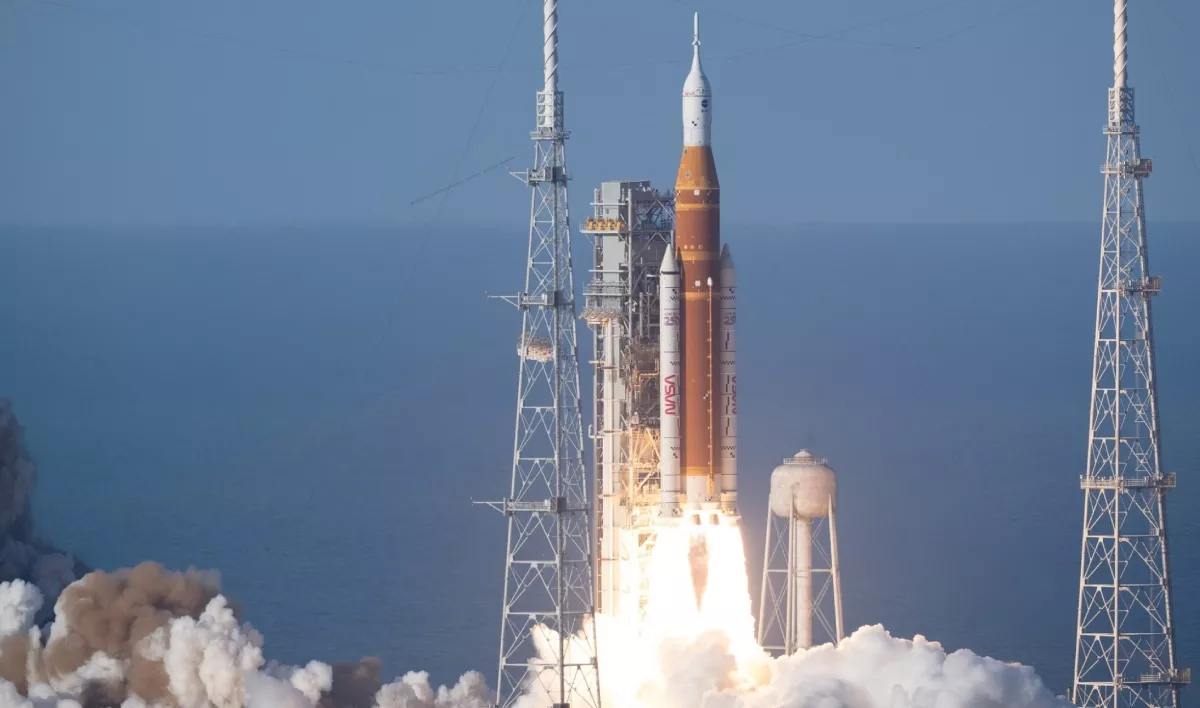
NASA's moon mission named Artemis II, which carried four famous astronauts, Reid Wiseman, Victor Glover, Christina Koch and Jeremy Hansen. The four astronauts were carried by the Orion capsules in the SLS rocket. The spacecraft took off from the Kennedy Space Centre. It was a 10-day moon mission.
The highlight of the mission was how it changed women's roles as astronauts in the world, as Christiana Koch became NASA's only woman astronaut on the Artemis II mission. She is one of the four astronauts on board for the historic mission to find life on the moon. However, she has set a record by being the first woman to travel more than 4 lakh kilometres away from Earth as part of the ongoing moon mission. The Artemis II astronauts' spacecraft is named Integrity.

What do you think about NASA's Ignition project after the success of Artemis II?
Next Read: Artemis II Mission Crew Salary Revealed, How Much Did Reid, Victor, Christina And Jeremy Earn?