Yayoi Kusama Dies At 97, Inside Her Traumatic Childhood, Fear Of Intimacy And Schizophrenia Battle
Yayoi Kusama passed away at the age of 97. Amid the news of her death, let's take a quick look at who she was and her traumatic life story.

See more of our coverage in your search results.
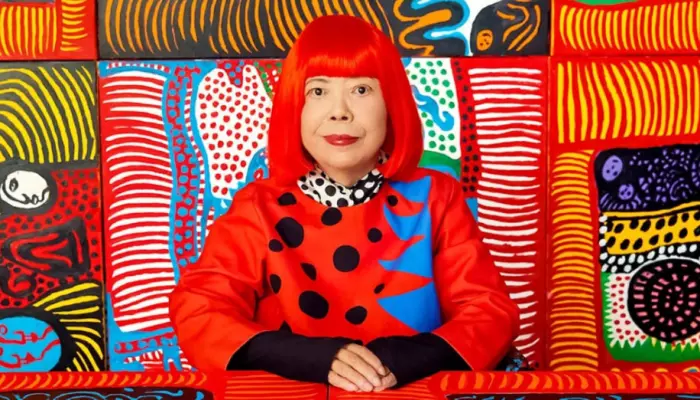
Add BollywoodShaadis on GoogleYayoi Kusama, who rose to fame for her polka-dot and infinity-marked art style, passed away on August 14, 2026, at the age of 97. Her death was confirmed on her website on August 27, 2026, prompting an outpouring of tributes from the art world. While her admirers mourn the loss, let's take a look at her journey.
Yayoi Kusama's abusive mother and father's infidelity caused her fear of intimacy
The world is well aware of the artist Yayoi Kusama. However, not many know about the traumatic journey she endured to get there. According to the documentary Kusama: Infinity, Yayoi endured things that no young girl should have to face. Born in 1929 in the rural provincial town of Matsumoto, she always knew she had a knack for art. However, her family was anything but supportive.
In fact, her mother would take away her art supplies and tell her that she would "get married and have kids – and not just get married but have an arranged marriage." Yayoi Kusama's mother's habit of snatching her art led her to develop an obsessive compulsion to finish a piece before it could be taken away. And as if that was not enough, her mother, frustrated with Yayoi's father's infidelity, would force her daughter to spy on him with his lovers.
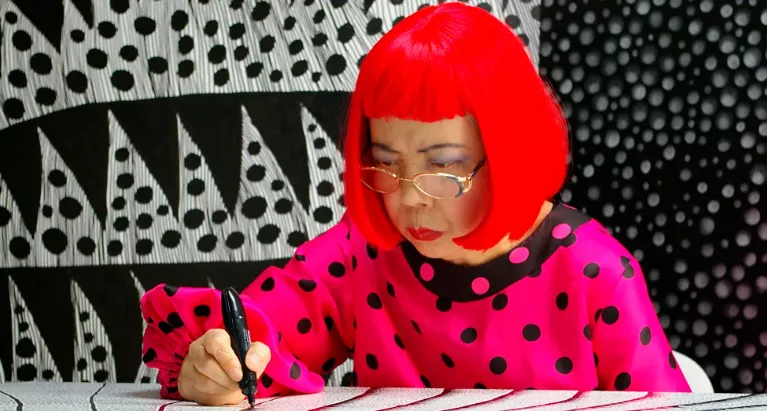
For Yayoi Kusama, this experience was so traumatic that she developed a lifelong aversion to sex, remaining unmarried and child-free till her dying breath. While she eventually managed to escape her home and move to the US, her journey there was anything but easy.
Yayoi Kusama's journey from a toxic home in Japan to the male-dominated art streets of the US
Yayoi Kusama was a great admirer of Georgia O'Keeffe and sought her advice to become a painter. The latter wrote back to her and asked her to come to the US. However, at the time, she hardly spoke any English, and sending money from Japan to America was prohibited. Regardless, she sewed dollar bills to her kimono and set off across the Pacific, determined to conquer New York and make her name in the world.
Yayoi Kusama began making a name for herself, staging newsworthy protests and exhibits around Central Park and the grounds of MoMA. These often included nudity, which created a scandal back home in Japan and allegedly brought great shame to her conservative family. Even some elements of the US press criticized what they saw as her endless desire for publicity. While the art world had its quirks, around the same time she lost her close friend, Joseph Cornell, leading her to return to Japan increasingly disillusioned and depressed and without the support of family or friends.
While her struggle to find a place in the art world was on the front foot, there was another battle that Yayoi Kusama had been fighting since she was a little girl. The Japanese artist was diagnosed with psychedelic schizophrenia when she was just 10 years old. She would often see flashes of light, auras, and dense fields of dots around her, which are also reflected in her artwork.
However, while she managed them through most of her youth, the cracks surfaced after the death of Joseph Cornell. In 1973, Yayoi Kusama returned to Japan completely distraught and discovered that her family had cut her off as well. Unable to paint and emotionally scattered, Yayoi attempted suicide. However, her desire to live outlasted her desire to die, and she soon sought help.
Yayoi Kusama checked herself into Seiwa Hospital for the Mentally Ill in 1977. In an environment where they were interested in art therapy, she started making art again. While she was already forgotten by the art world, she channeled her determination and re-established herself. A retrospective of her work was held at the Center for International Contemporary Arts in New York in 1989.
Over four years later, the Japanese art historian, Akira Tatehata, managed to persuade the government that she should be the first solo artist to represent Japan at the 1993 Venice Biennale. Although a delicate Kusama had to be accompanied by a psychotherapist, fearful of a nervous breakdown, the exhibition was a phenomenal success and led to a huge transformation in how she was received and recognized in Japan. She continued to live in the asylum till her last days, walking to a nearby studio to paint while managing her mental health.
What are your thoughts on Yayoi Kusama's life story? Let us know.
PC: TokoyoLeeProductions, Yayoi Kusama, David Zwirner/Ota Fine Arts
Next Read: Busy Philipps' Ex-Husband Marc Supported Her Through Brain Tumor, What Went Wrong In Their Marriage?