Sukanya Vs Sun TV Case Explained, How Veerappan's 1996 Interview Led To A 30 Year Long Court Battle
The court has finally made a decision in Veerappan and Sukanya's case. So, as the chapter finally comes to an end, let's take a look at how the 30-year-old case ended in the Madras HC.
See more of our coverage in your search results.
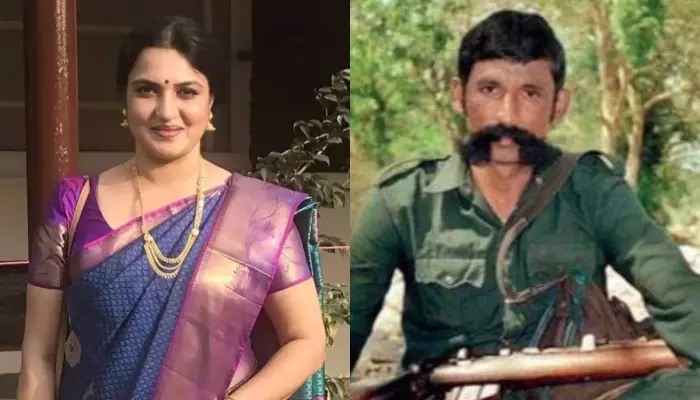
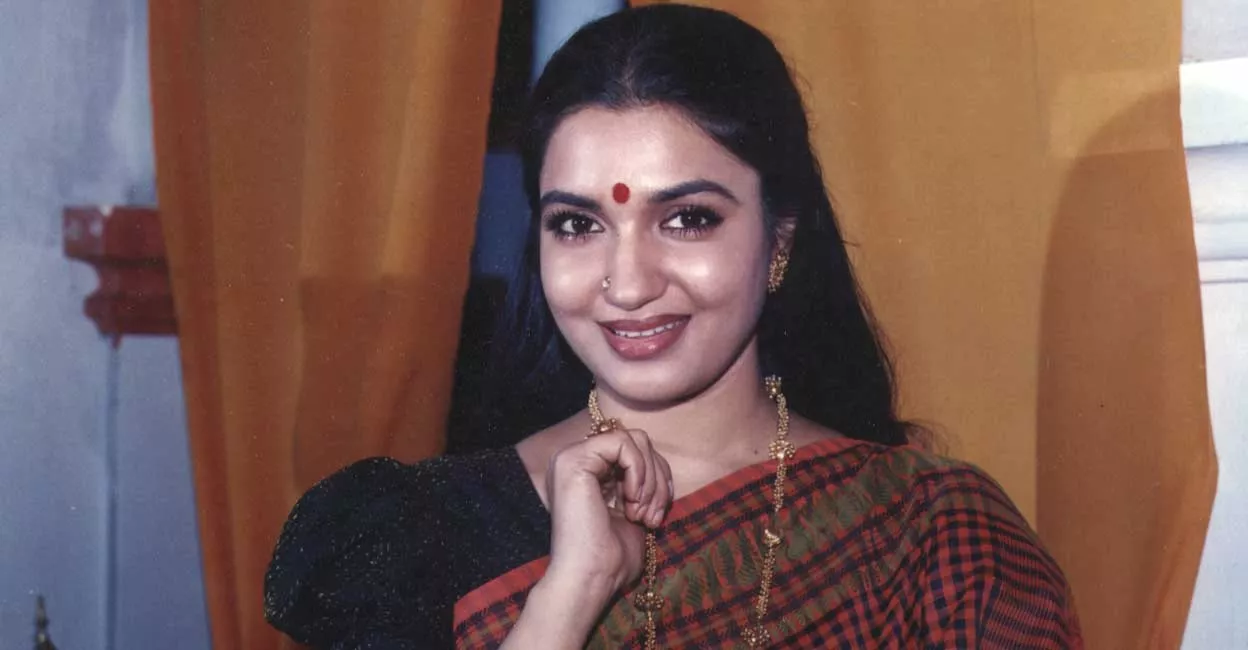
Add BollywoodShaadis on GoogleSukanya is a well-known Indian actress who rose to fame as a multi-lingual actress appearing in Tamil, Malayalam, Kannada, Telugu and Hindi films. Fans might recognise the actress for her work in films such as Chandralekha, Indian, Sagaram Sakshi, Mahanadhi and Thee Ivan. However, recently, she hasn't been in the headlines for her work in the film industry but for her long-standing case with Veerappan.
The case, dating back to 1996, has finally come to an end after 30 years. The Sun TV vs Sukanya case was finally decided by the Madras High Court. However, amid that, netizens are curious to know exactly what took the court three decades to decide and what the case was about. So, if you need to refresh your memory or are new to the case, let us log your memory.
The Madras High Court orders Sun TV to pay Rs. 10 lakh to R. Sukanya

The Madras High Court recently upheld a civil court ruling directing Sun TV to pay an amount of Rs. 10 lakh to actress, Sukanya, for broadcasting defamatory remarks made against her by the infamous bandit, Veerappan, in 1996. Justice K Kumaresh Baby dismissed Sun TV's appeal against the 2015 verdict of a Chennai-based court, citing that the television network had failed to verify the contents of the interview before running the story. The Court found that Sun TV neither had sought clarification from Sukanya on the matter, nor have cross-checked the claims made by Veerappan.
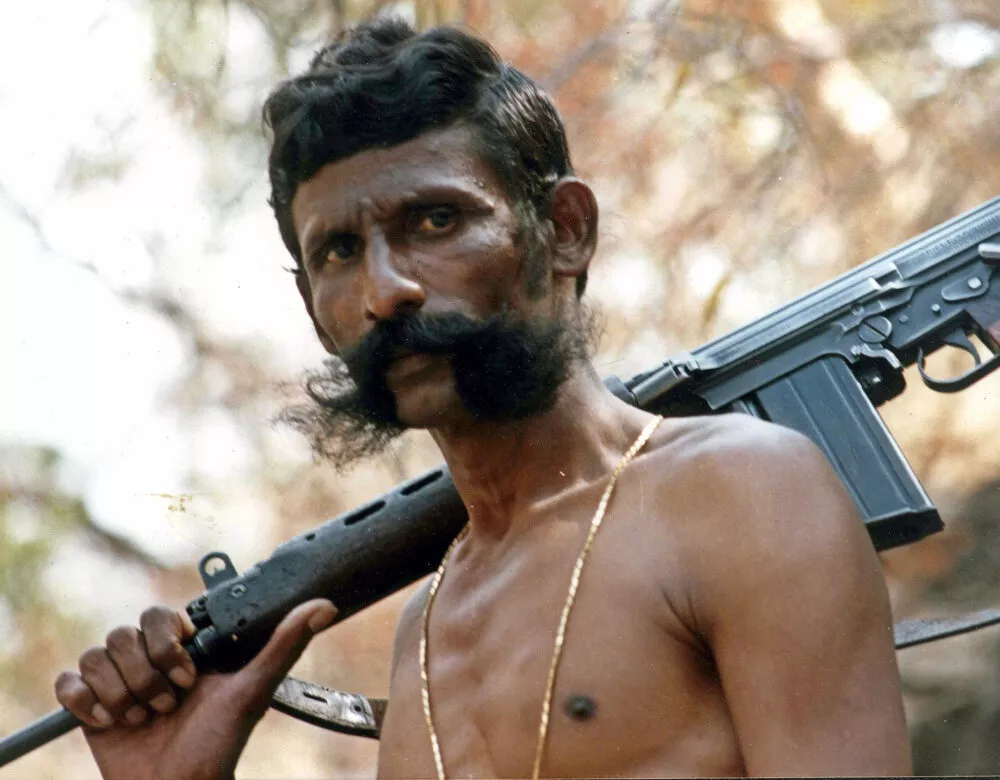
The court noted that Sun TV had editorial control over the interview since, under its agreement with the interviewer, Rajagopal, the channel had the right to edit, cut, delete, modify or alter any part of the interview. However, they didn't verify or make the edits to remove the unverified information, leaving the weight of its aftermath on the channel alone. In a ruling, the Madras High Court was quoted as saying:
"Having reserved the right to edit, cut, delete or modify, alter and add any portion with an unrestricted right, it is the duty that is enjoined upon the appellant to verify the contents of the interview before its publication."
What was the interview in question about, and what were the unverified claims made against Sukanya?
If you are not aware of what the case was about, it all began with a broadcast by Sun TV back in 1996. According to reports, the channel interviewed the bandit Veerappan. The interview was helmed by Rajagopal, also known as RR Gopal, and aired on April 17, 1996. However, during the conversation, Veerappan alleged that Sukanya was in a relationship with the son of former Prime Minister PV Narasimha Rao, a claim neither Veerappan nor the channel was able to verify.
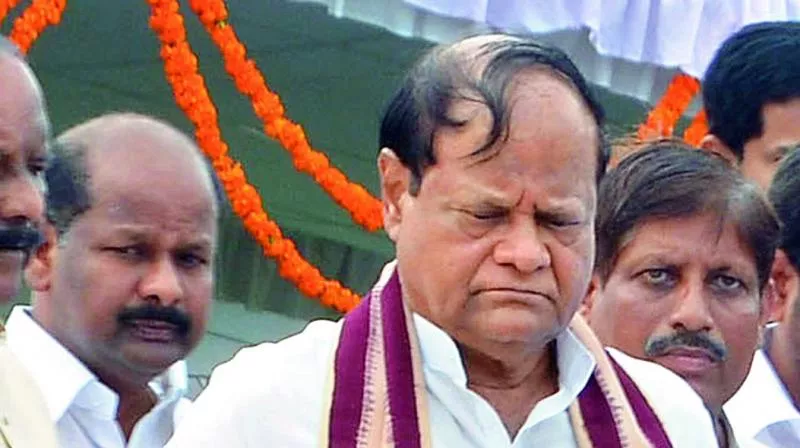
What made the piece create headlines at the time was Veerapan's claims that a video of them was used by former Tamil Nadu Chief Minister, J Jayalalithaa. According to him, Jayalalithaa used the clip to strike a deal with the Congress before the 1996 general elections. Soon after the interview was aired, Sukanya filed a defamation suit in 1996, denying the claims of being in a relationship with the former PM's son, and alleged that they were false and defamatory.
What did the Chennai Court order in 2015?

Sukanya argued that the remark aired on Sun TV had damaged her reputation and tainted her dignity among her family, friends, and the public at large. The actress sought compensation for the same, and while she initially demanded Rs. 10 crore in damages, she later restricted her claim to Rs. 10,00,500. On April 15, 2015, the trial court directed Sun TV to pay the amount to Sukanya and restrained the channel and Rajagopal from republishing Veerappan's defamatory claims.
What happened after the 2015 verdict?
Sun TV soon after filed an appeal against the order, arguing that they could not be held liable as the channel was not the originator of the statement. The channel added that they didn't re-telecast the interview following the notice and even issued a statement of regret in a Tamil magazine. However, the Court dismissed the appeal after finding that the channel failed to exercise due diligence in verifying Veerappan's claims. They even dismissed the channel's argument that Sukanya had not proved any loss of reputation following the interview. The Bench said:
"If such a regret [had] been published in its own broadcast, it would have reached the very same viewer who would have viewed the publication it had made earlier. This itself would show malice on the part of the appellant in only opting to give a regret in a third-party magazine, which was also not substantiated to have a wider reach than its viewers."

What are your thoughts on the Sun TV vs Sukanya case coming to an end after 30 years?
Next Read: Who Is John Lithgow's Wife, Mary Yeager? All About Her As He Becomes Oldest Male Tony Awards Winner