- Home
- / Television
- / Throwback
Patrick Dennehy's Case On 'Game Day Murders,' Basketball Star Went Missing Before Being Found Dead
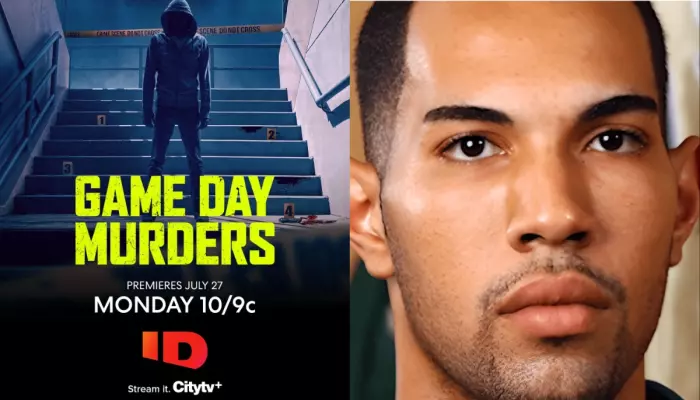
The first episode of the docuseries, 'Game Day Murders,' premiered on July 27, 2026. It covers the case of Patrick Dennehy's murder.

See more of our coverage in your search results.
Add BollywoodShaadis on GooglePatrick Dennehy was supposed to have a bright future in the world of basketball. After two seasons at New Mexico, he transferred to Baylor in 2002 and redshirted in 2003. Coaches and teammates saw him as versatile on the court and steady in the locker room, a player set to anchor the Bears’ 2003-2004 roster.
ID’s new docuseries Game Day Murders, which arrived on July 27, 2026, looks at crimes tied to college athletics, using interviews and archival footage to retell each case. It focuses on the human cost behind the headlines and the fallout for programs and families. The basketball star’s tragic story has now been featured in the first episode of the show.
Patrick Dennehy was supposed to get established as a basketball player before his death
Patrick Dennehy was on track to become a star basketball player for Baylor University before his teammate, Carlton Dotson, shot and killed him. The killing changed the program and left a lasting mark on everyone connected to it.
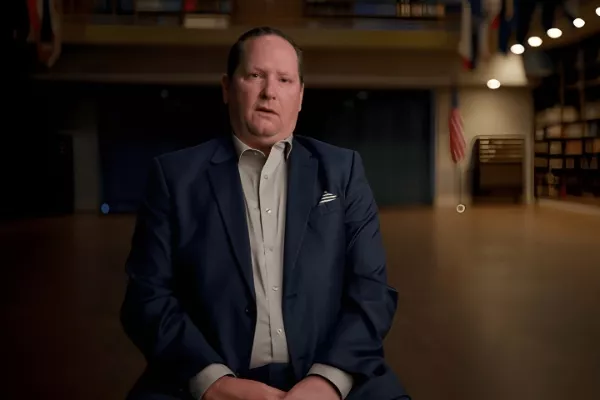
Sportscaster Lindsay Czarniak talked about the impact Dennehy was expected to have. In the first episode of Game Day Murders, she explained that he was expected to bring versatility to the team. She said he would not only provide a spark on the court, but also be a strong presence in the locker room and fit into the college program very well.
Patrick Dennehy went missing on June 12, 2003. His family reported him missing a few days later on June 19, 2003, after they could not reach him, which started a nationwide search that lasted more than a month. He was 21 when he died in a rural area just outside Waco, Texas. His body was hidden at an overgrown site for six weeks. Authorities located his remains on July 25, 2003, after receiving tips and details from Dotson’s confession.
Dotson told investigators that the two had driven to a remote rock quarry about four miles from campus to shoot guns. An argument followed. He said he shot Dennehy twice in the head, hid the body in brush, and left the state.
Weeks into the FBI investigation into Dennehy’s disappearance, Dotson confessed. He told authorities that demons were after him and that people, including Dennehy, were trying to kill him because he believed he was Jesus, the son of God. He was first found incompetent to stand trial and sent to a psychiatric facility. Right before trial, he entered a guilty plea and was sentenced to 35 years.
Patrick Dennehy’s murder case turned into a national scandal
The case expanded far beyond the murder. The investigation revealed that Baylor head coach Dave Bliss had been making unauthorized tuition payments to players. The effort to hide those payments turned Patrick Dennehy’s death into one of the biggest scandals in college sports history. Bliss admitted to making the payments and to trying to cover them up. He was forced to resign but was never charged with a crime.
While the search for Patrick Dennehy was ongoing, Bliss tried to portray the missing player as a drug dealer to distract from the tuition violations. On tapes that assistant Rouse secretly recorded, Bliss was heard telling team members that if they could prove Dotson and Dennehy were selling drugs, the program would be in the clear.
The fallout was immediate and severe. The NCAA issued sanctions. Top university officials resigned. When the new coach took over, nearly all staff and players from Bliss’ roster were dismissed. The scandal drew national criticism about corruption in collegiate athletics. Bliss resigned in 2003.
In 2008, at a public event, he apologised and said the cover-up was disgusting, as reported by the Los Angeles Times. Then in 2017, he repeated the claim in the Showtime documentary Disgraced that Dennehy sold drugs to white students on campus, even though there was no evidence to support it. The case made headlines again when Dotson was released on parole on March 24, 2025. He had served just over half of his 35-year sentence.
Rouse said in an interview that he had no idea Dotson was up for early release and that he was stunned to hear about the parole. Patrick Dennehy’s family knew since 2023 that Dotson could be eligible early. They believed the sentence was too short and that he should serve the full term.
Brian Brabazon, Dennehy’s stepfather, later stated that he would like to speak with Dotson for closure but had not reached out. He remembered talking to Dotson by phone while searching for Patrick in 2003 and asking what happened. Dotson said they should meet in person and he would explain. Brabazon said he is still waiting for that explanation.
What are your thoughts about Patrick Dennehy’s case and everything that happened after his death? Let us know.
PC: Investigation Discovery/YouTube
Also Read: Nathan Fillion Opened Up About The 'Non-Negotiables' In His Love Life, 'Priority To Their...'