- Home
- / Television
- / OTT
Netflix Series 'Mourinho' Review, Documentary Includes Big Names But Lacks Depth
'Mourinho' is a new docuseries that premiered on Netflix on August 11, 2026. The show is based on the life and career of the Portuguese football manager Jose Mourinho.

See more of our coverage in your search results.
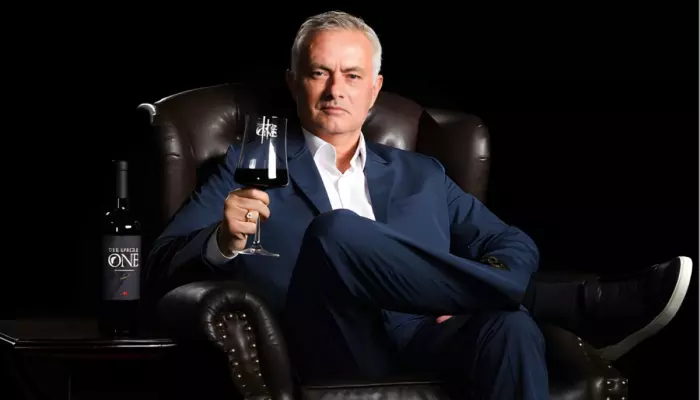
Add BollywoodShaadis on GoogleJosé Mourinho has always controlled his own story. Netflix’s new three-part docuseries Mourinho gives him the stage to do it again. Directed by Joe Pearlman, it traces 26 trophies, famous fights, and big reveals across England, Spain, Portugal and Italy.
We hear from Frank Lampard, John Terry, Sir Alex Ferguson and more, and see a rare emotional side of the Special One. But for all the access, the series stays on the surface. It shows the showman and the wins, yet leaves much of the man himself unexplored.
What the series covers?
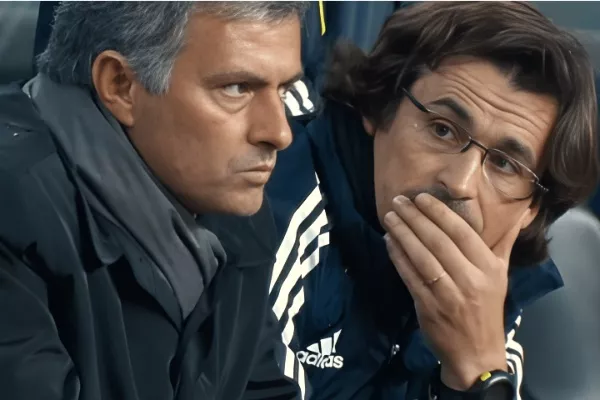
The documentary covers the parts of Mourinho’s career that most people remember. His first spell at Chelsea takes up a lot of the first episode. That was the time of double Premier League and League Cup wins from 2004 to 2007. Then comes Porto in 2004, where he won the Champions League “from nowhere”. There is Inter Milan and the historic treble. There is Real Madrid, where he fought Pep Guardiola and changed Spanish football.
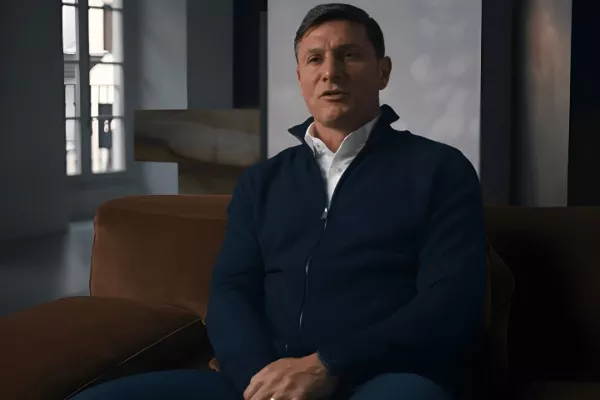
We hear from people who know him well. Frank Lampard, John Terry, Sir Alex Ferguson, Zlatan Ibrahimovic, and others appear. Terry says he would have left the pitch “in a coffin” for the gaffer. Many players say Mourinho made them feel like family. But the families did not last long.
The show does not hide the bad parts either. Mourinho admits to battles with referees. One case involving Anders Frisk was so serious that UEFA had to clear him. He was paranoid with the media. He was haughty and scornful. At Real Madrid, Sami Khedira calls the dressing room a “nightmare” and “poisonous”. There is also the settlement with Chelsea doctor Eva Carneiro.
Mourinho enjoys this side of himself. He calls it “that beautiful fight”. He says he enjoys the negativity of big away games. When asked what winning feels like, he answers, “Normality.” He is aware of his ego. He even stands in front of a huge mural of himself at home while saying, “The Special One is some special sh*t.” He claims English journalists made up the nickname. The film then cuts to him saying “A special one” at his first Chelsea press conference. He likes to control his own story.
There are also new details. He talks about meetings to return to Barcelona in 2008. He says he doesn’t like being called “the translator”. The biggest reveal is about Manchester United. He says he had verbally agreed to replace Sir Alex Ferguson in 2013. But he changed his mind. He wanted to feel “loved” again, so he went back to Chelsea.
What the series leaves out?
For all the access, the series feels incomplete. Three episodes are not enough to cover 30 years. His time at Manchester United, Tottenham, Roma, Fenerbahçe and Benfica is rushed through. We get very little about the football itself. There is almost no talk about the tactical ideas that made him so hard to beat.
More than that, we don’t really meet the man. Mourinho wants the focus on his career, not his private life. Director Pearlman and producer John Battsek respect that wish. But it means the personal moments are few and come late.
Near the end, Mourinho gets emotional talking about his father’s death while he was at Manchester United in 2017. He says, “You don’t want to make me cry, because I don’t want.” He admits his children “enjoy life more without me.” He says he was proud to be “Mourinho’s son” and that his father was loved by everyone. “I still think I don’t belong to the tribe,” he says about his own playing career.
These moments are brief. His background is breezed over. His political views are not mentioned at all. Statements like “Football belongs to people like me… the others are intruders” pass by without challenge. Compared to something like Diego Maradona, this film does not dig into the dark side or the life outside football.
The timing also makes it feel unfinished. The series comes as Mourinho starts a second spell at Real Madrid. It skips the last decade where he drifted between clubs that could not compete at the very top. It never really asks if football has moved on from his style.
In the end, Mourinho gives us a lot of insight from big names and some honest talk from the man himself. He is unapologetically Mourinho. He is a winner who built teams that were difficult to beat and sometimes difficult to like. But the documentary stays on the surface. It shows the showman, not much of the person underneath. For football fans, it is gripping. For everyone else, it may not go deep enough.
Have you watched Mourinho on Netflix? Let us know.
PC: Netflix/YouTube
Also Read: Santy Sharma Speaks Out After Receiving Death Threats; Is The Rapper Still Joining 'Bigg Boss 20'?