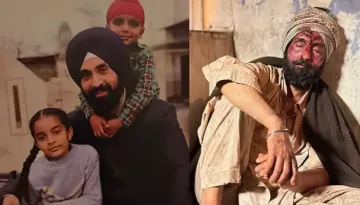
Amid Satluj Row, Jaswant Singh Khalra's Daughter Recalls The Day Punjab Police Took Her Father Away
The removal of Diljit Dosanjh's Satluj from OTT just days after its release has reignited debate over Jaswant Singh Khalra's story. His daughter, Navkiran, has spoken up again.

See more of our coverage in your search results.
Add BollywoodShaadis on GoogleThe controversy surrounding Honey Trehan's Diljeet Dosanjh-starrer Satluj (formerly Punjab '95) has ignited fresh debate and backlash after the film was pulled from ZEE5 just two days after its release. Amid rising discussions about releasing an uncut version of the biographical film about Punjab activist Jaswant Singh Khalra, the controversy has thrust one of Punjab's most haunting chapters into the national spotlight.
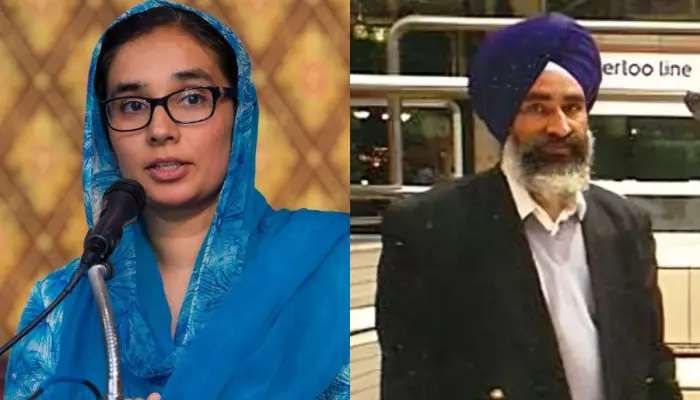
With debates continuing over the film's removal from an OTT platform, Khalra's daughter, Navkiran Kaur Khalra, has spoken publicly about the day her father disappeared, and why his story continues to resonate more than three decades later.
Navkiran Kaur Khalra says her father 'knew the risks he was taking'
In a recent interview with The Indian Express, Navkiran revisited the events leading up to her father's abduction in 1995, sharing deeply personal memories of the activist whose investigation into thousands of alleged illegal cremations made international headlines. Navkiran was just 10 years old when her father, Jaswant Singh Khalra, was taken in by the Punjab police. He was abducted from outside his Amritsar home on September 6, 1995.
As she recalled her childhood, Navkiran said her father "never hid what he was doing." He was always transparent about his work documenting families searching for loved ones who had disappeared during Punjab's militancy years. She shared:
"I was young, but my father never hid what he was doing. I remember accompanying him when Ram Narayan Kumar was filming Disappearances in Punjab. He showed me photographs of bodies being taken out of trucks for cremation."
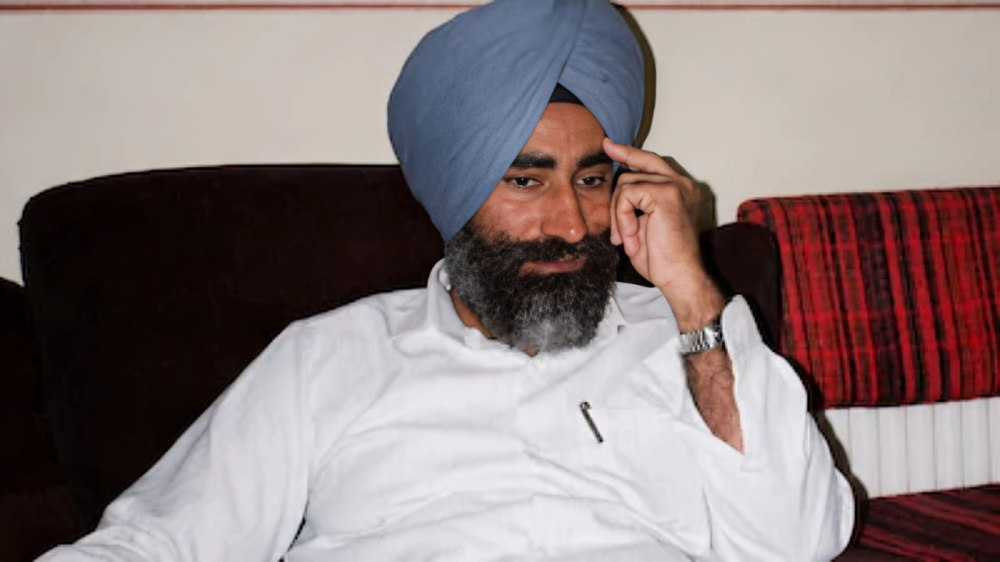
Khalra remembered seeing researchers, human rights activists, and journalists frequenting their home. While Navkiran and her siblings were too young to understand the level of impact of that documentary, they knew it "involved people who had disappeared and families searching for answers."
Navkiran described the day her family's world turned upside down. On September 6, 1995, she and her younger brother had just returned home from school when they learned that their Punjab Police officers had allegedly taken away their father. Innocent as she was, she, too, believed that the authorities were there to catch criminals, but that day, her belief changed.
She added that officers allegedly began visiting their home repeatedly afterward, pressuring her mother to withdraw the case and avoid naming those involved. According to Navkiran, it was only years later that the family learned what had actually happened to their patriarch inside police custody.
"For nearly three years, we did not know what had happened to my father. We suspected the worst but had no proof. It was only after former policeman Kuldip Singh Bachra disclosed in 1998 how my father had been killed that we accepted he was gone."
How Jaswant Singh Khalra's investigation changed Punjab forever
Those unfamiliar with Khalra's case might be wondering what he could have done to be such a wanted name for the Punjab Police. Before his disappearance, the activist had been actively investigating the alleged cremations of tens of thousands of unidentified bodies during Punjab's insurgency years.
He documented municipal records between the 1980s and 1990s, showing that bodies of “disappeared” individuals were cremated as unidentified, without ever informing their families or following legal procedures. His research yielded around 25,000 illegal killings and cremations across Punjab.
Khalra's findings became the foundation of a legal battle that would eventually lead to a Supreme Court-monitored CBI investigation. The CBI reportedly confirmed 2,097 unlawful cremations in Tarn Taran district alone.
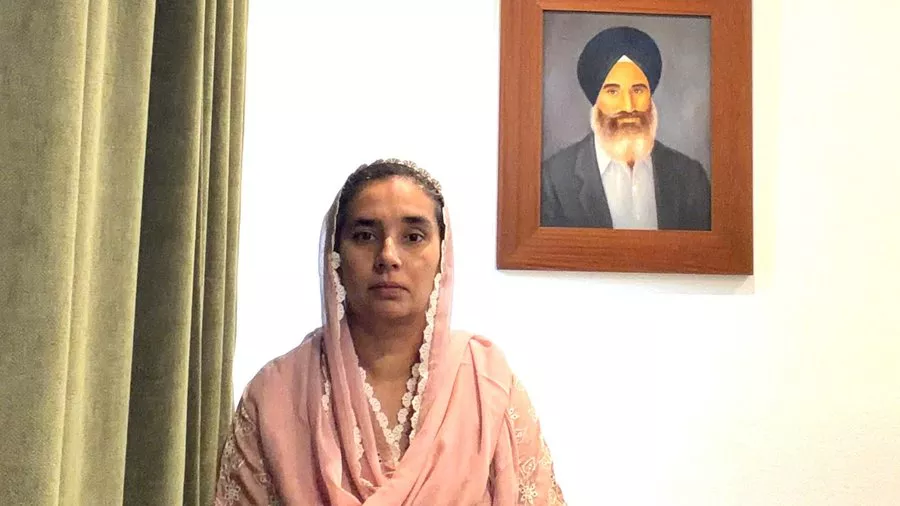
After her father's abduction and murder, Navkiran recalls how her mother, Paramjit Kaur Khalra, decided to carry forward his legacy. "Within three days, my mother decided she could not sit at home waiting. She moved the Supreme Court... She also placed before the court his entire investigation into alleged fake encounters and illegal cremations."
Jaswant Singh Khalra's case, Navkiran believes, fundamentally changed the way allegations against law enforcement were viewed. "For the first time, the Punjab Police found itself defending its actions before courts, the media and the international community," she remarked.
Reflecting on the case's impact, she added, "They probably never imagined that after so many killings, one body would become so heavy for them."
Navkiran reacts to the Satluj controversy
Jaswant Singh Khalra's brutally real story has reignited public debate following the controversy surrounding Satluj, directed by Honey Trehan. The film was removed from ZEE5 shortly after its release, although community screenings have continued across Punjab. Speaking about the turn of events, Navkiran says neither she nor her family was surprised by the level of resistance the film has encountered since the time Trehan decided to work on the story. "We had anticipated resistance from the beginning."
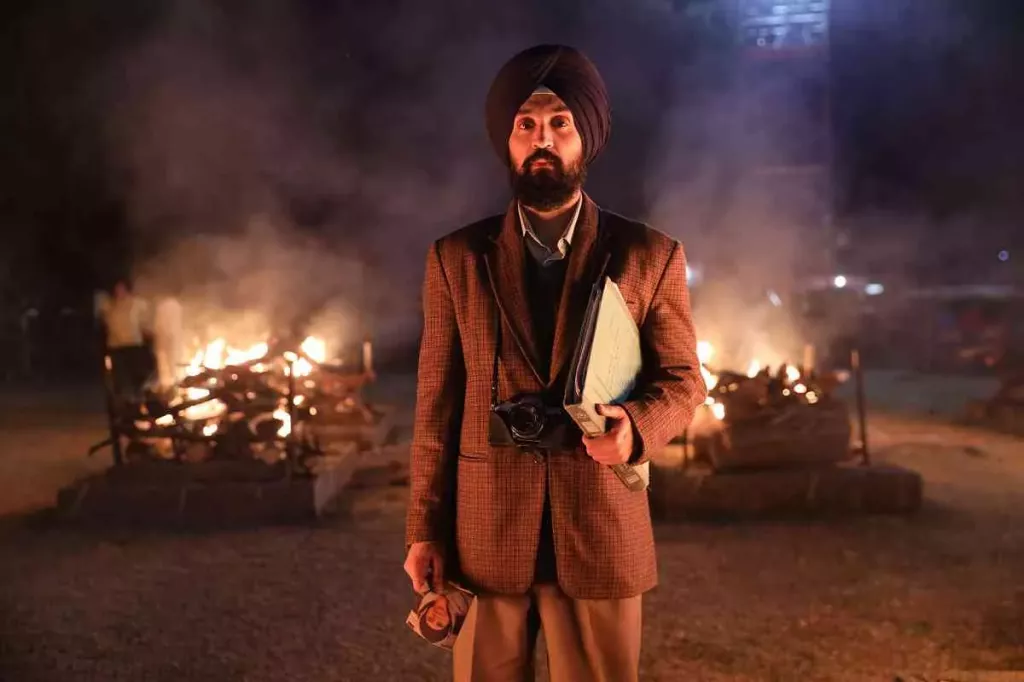
She maintained that the film draws entirely from court records and documented evidence, adding that attempts to suppress it have only reignited conversations about disappearances, alleged illegal cremations and human rights.
More than 30 years after Jaswant Singh Khalra's disappearance, his daughter believes the questions he raised remain unresolved.
Image courtesy: X Photos, parliamentofreligions.org
Read Next: Ketan Agarwal Case, Cops Reportedly To Face A Tough Time Proving Siya Goyal As The Accused In Court