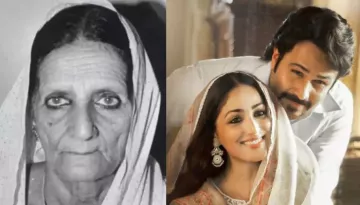
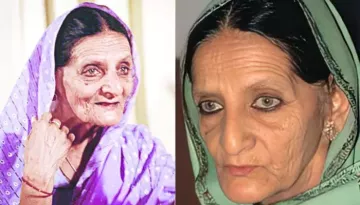
Inside 'Haq', The Courtroom Drama's Factual Differences From The Real Life, Shah Bano Case
Recently, 'Haq' was released on the OTT platform, Netflix. Amid the digital premiere, let's find out the factual differences between the courtroom drama and reality.


See more of our coverage in your search results.
Add BollywoodShaadis on GoogleHaq, the courtroom drama starring Yami Gautam and Emraan Hashmi, is currently the talk of the town. The film is a fictionalised version of Mohd. Ahmed Khan vs. Shah Bano Begum. Recently, the film was released on Netflix, and since then, the audience hasn’t stopped talking about the courtroom drama. For the unversed, Haq has released digitally on January 2, 2026.
Post the OTT release, Haq received widespread acclaim. Earlier in an interview, the Haq director, Suparn S. Varma, revealed that the film is not a biopic of Shah Bano, a Muslim woman who moved to the Supreme Court and filed a petition against her husband, Mohammed Ahmed Khan. He highlighted that the film is inspired by the 1985 Shah Bano judgment and the judgments of Tahira Bi and Fazlun Bi. For the unversed, Tahira Bi and Fazlun Bi’s judgments were the earlier cases before Shah Bano and had similarities with the Shah Bano case. Amid the rising success of the film, let’s delve deep in to know the courtroom drama’s factual differences from the real-life Shah Bano case.
Haq's 'Shazia Bano' is the daughter of a maulvi, what's the reality of Shah Bano's family background?
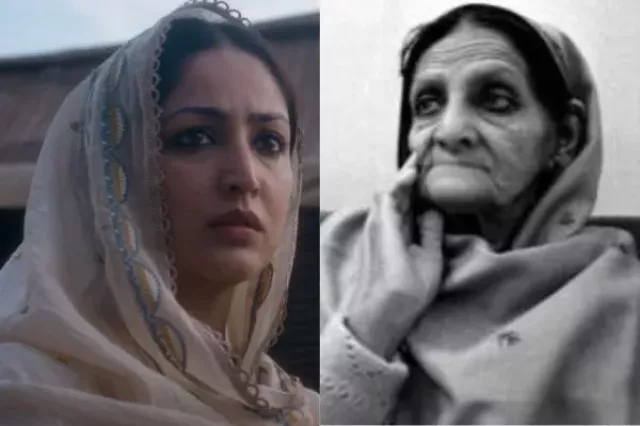
In the film, Haq, Yami Gautam plays the role of 'Shazia Bano', the daughter of a maulvi. But the reality is totally different. According to a report by Rediff, Shah Bano was the daughter of a police constable. Speaking about the difference brought to the character, the director, Suparn S. Varma, said to Rediff:
"We made the heroine Shazia Bano a maulvi's daughter and a five-time namazi. It was important to show that she had knowledge of the Quran, else she couldn't be shown talking to maulvis about it."
Haq's 'Shazia Bano' wins the case, but what about the outcome of the real Shah Bano case?

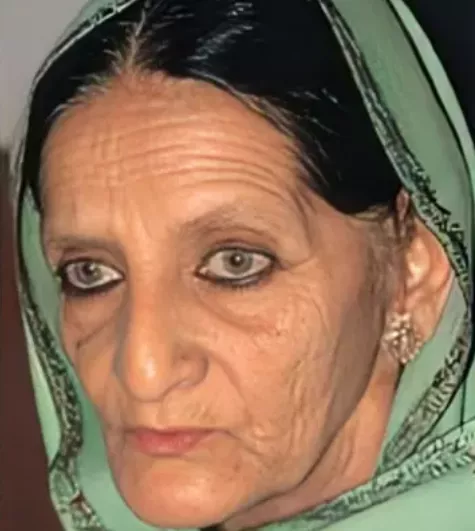
Haq's 'Shazia Bano' won the landmark case against her husband, 'Abbas', after 20 years of struggle. However, the reality is a bit different. According to a report by Rediff, Shah Bano fought a case against her husband, Mohd. Ahmed Khan, and won the case, but she eventually lost. After the Supreme Court verdict, Shah Bano and her family faced severe criticism from society.
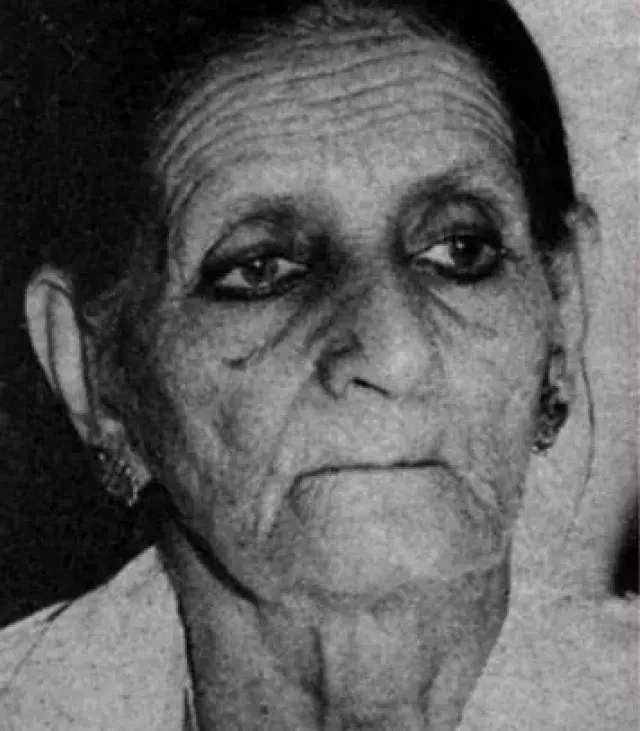
While Shah Bano became a face of women’s rights, for her neighbours in 1980s Indore, she had broken the rules of the Muslim society and sparked unpleasant questions on faith. Later, after meeting the then Prime Minister, Rajiv Gandhi, Shah Bano held a press conference in Indore and announced that she was stepping down from the maintenance claim, citing that it is against Shariat, a sacred Islamic law. She was quoted as saying:
"I thought if we didn't backtrack now, azaab (grief) would be on us. Since it was a matter of religion, I didn't want us to become a precedent."

Speaking to Rediff, the director, Suparn S. Varma, explained why he ended the film, Haq with 'Shazia Bano's' win. He highlighted that the change was made to inspire the audience. He mentioned that he wanted his 'Shazia Bano' to walk out with her head held high. He was quoted as saying:
"After showing her struggle for 20 years, I wanted the audience to leave inspired. I wanted her to walk out with her head held high."
Haq's 'Shazia Bano' and 'Abbas's nikah is set in 1967, what's the reality?

According to a report by The Hollywood Reporter India, the film, Haq is set in 1967 and opens with the nikah ceremony of 'Shazia Bano' and 'Abbas' (played by Emraan Hashmi). While in reality, the nikah ceremony of Shah Bano and Mohammed Ahmed Khan took place over three decades ago, in 1932. As per a Facebook post by Nida Kirmani, an associate professor at Lahore University of Management Studies, the film is set in UP, and a much younger person portrayed the role of Shah Bano. While in reality, Shah Bano was in her 60s when she was fighting the case against her husband, Mohd. Ahmed Khan and she belonged to Indore, Madhya Pradesh.
Haq shows 'Shazia Bano' has three children, what about real life Shah Bano?

In the film, Haq, 'Shazia Bano' and her husband, 'Abbas' share three children: a son, a daughter and a baby boy. In reality, Shah Bano and Mohd. Ahmed Khan share five children, three sons and two daughters. From his second marriage, Mohd. Ahmed Khan had one son and four daughters.
Haq's 'Shazia Bano' charges Rs. 400 as the monthly alimony; how much did Shah Bano charge from her husband, Mohd. Ahmed Khan?
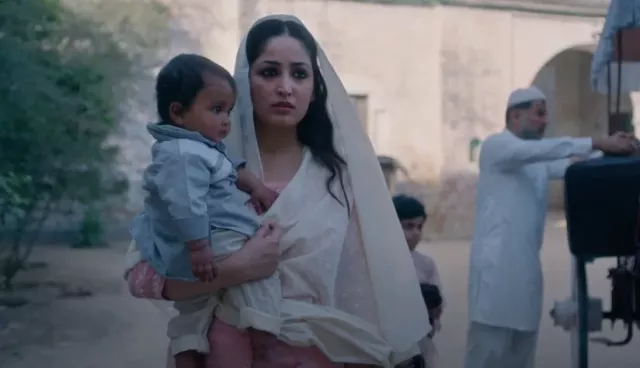
According to the storyline of Haq, 'Shazia Bano' charged Rs. 400 as the monthly alimony. However, in reality, Shah Bano charged less money for the monthly maintenance. According to a report by Soolegal, in real life, Shah Bano was paid Rs. 200 as the monthly alimony.
While the makers of Haq brought creative changes to the story, the film has once again brought an important topic like the Uniform Civil Code (UCC).
Also Read: 'Haq's Real Life Shah Bano Shared An Age Gap Of 7 Years With Her Husband, Mohd. Ahmed Khan